

Are Clear Braces Worth It? A Guide for Salt Lake City & Lehi Patients

In today’s world of orthodontics, patients have more options than ever to achieve a healthy, beautiful smile. One question many people ask, especially teens and adults, is whether clear braces are truly worth it. If you’re in Salt Lake City or Lehi, Utah, understanding what clear braces can offer—and how they compare to traditional braces—can help you make the best decision for your smile.

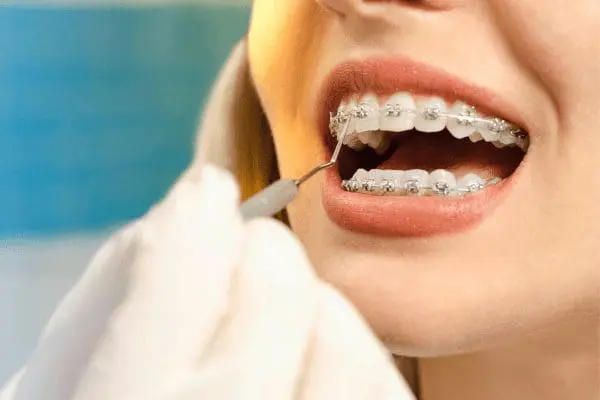
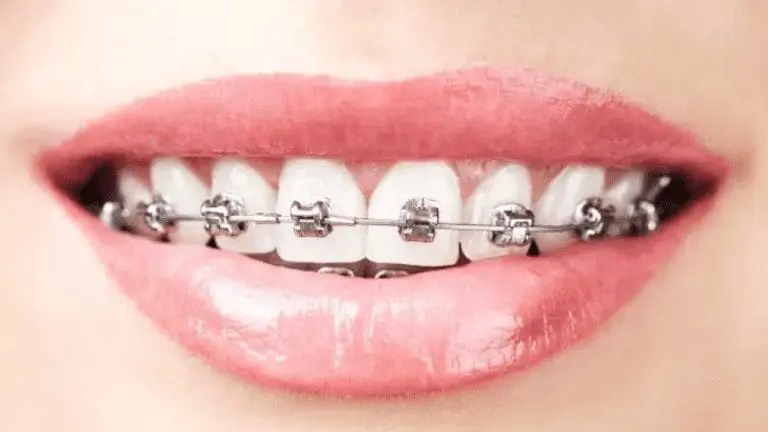
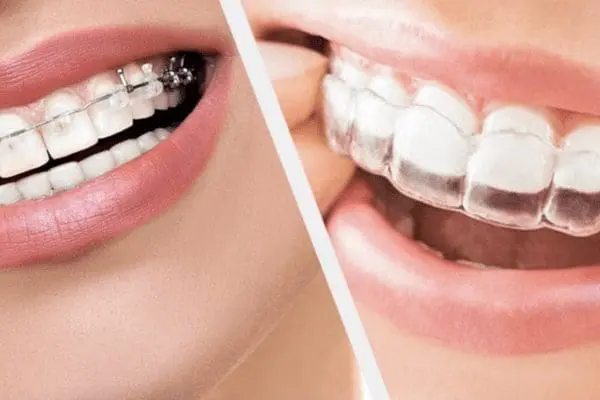
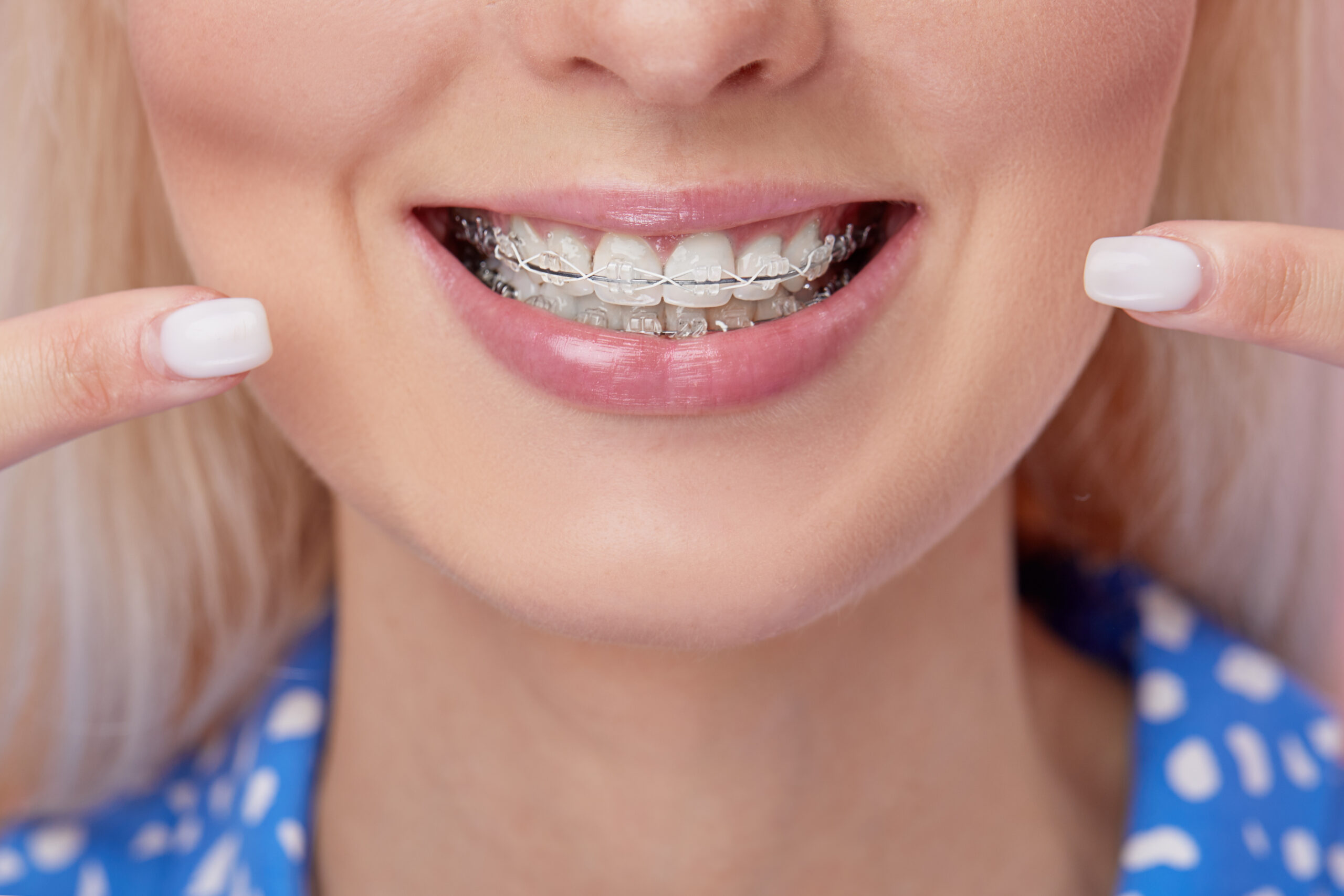
Clear braces combine the effectiveness of traditional braces with a more discreet appearance. They use brackets and wires like conventional braces but are made from ceramic or other tooth-colored materials, making them less noticeable. This blend of function and aesthetics makes them a popular choice for patients who want straight teeth without drawing attention during treatment.

Let’s explore the benefits, considerations, and overall value of clear braces, so you can determine if they’re the right choice for you or your child.

How Clear Braces Work

Clear braces operate similarly to traditional metal braces. Brackets are bonded to the teeth, and wires gradually shift teeth into proper alignment over time. The main difference is the material: clear braces are made from ceramic or composite materials designed to blend in with the natural color of teeth.

While these braces are less visible, they are just as effective in treating a wide range of orthodontic issues. From minor alignment adjustments to more complex bite problems, clear braces can deliver the results you need while offering a more subtle appearance.

For patients in Salt Lake City and Lehi, clear braces are an option for those who want a balance between treatment effectiveness and cosmetic appeal.

Advantages of Clear Braces

One of the biggest draws of clear braces is their discreet appearance. Unlike metal braces, which can be noticeable when you smile or talk, clear braces are designed to blend with your natural teeth. This makes them particularly appealing for self-conscious teens or adults who want to straighten their teeth without the look of traditional braces.

Clear braces are also highly effective. While they may not be invisible like Invisalign aligners, they can handle more complex tooth movements, including rotations, bite corrections, and spacing issues. For patients with moderate to severe orthodontic needs, clear braces can often provide faster or more predictable results than removable aligners.

Comfort is another advantage. Modern ceramic braces are designed with smooth surfaces and rounded edges, reducing irritation to the lips and cheeks. Combined with regular orthodontic adjustments, they provide a reliable path to a healthier, well-aligned smile.

Considerations Before Choosing Clear Braces

While clear braces offer many benefits, they do come with a few considerations. First, ceramic brackets can be more brittle than metal, so extra care may be needed to avoid chipping. Most orthodontists will recommend avoiding very hard or sticky foods during treatment to protect the braces.

Cost is another factor. Clear braces can be slightly more expensive than traditional metal braces due to the materials and aesthetic benefits. However, for many patients, the added cost is worth the confidence and discretion they provide.

Maintenance is also important. Clear braces can be more prone to staining from coffee, tea, or certain foods if proper oral hygiene isn’t maintained. Regular brushing, flossing, and orthodontic visits are essential to keep both the braces and teeth looking their best.

Finally, treatment time may vary. In some cases, clear braces can achieve results comparable to metal braces, but your orthodontist will evaluate your specific needs and provide a customized timeline.

Clear Braces vs. Invisalign

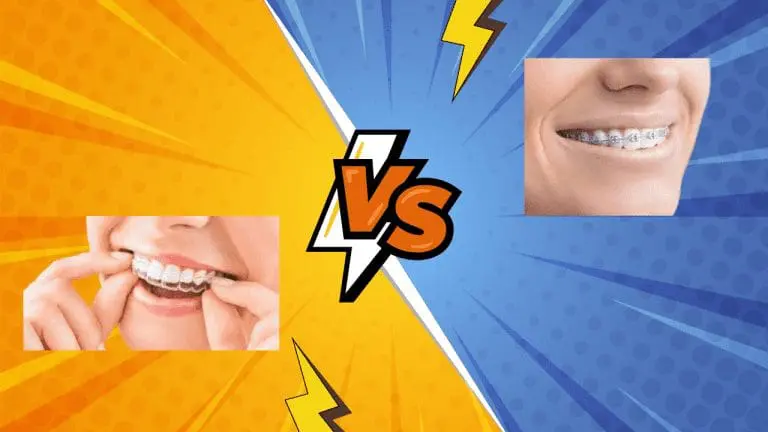
For patients weighing their options, clear braces are often compared to Invisalign, a removable clear aligner system. While both offer discreet treatment, the two approaches have some key differences:

  • Complexity of Treatment: Clear braces can handle more complex movements and bite corrections. Invisalign is best suited for mild to moderate alignment issues.
  • Compliance: Invisalign requires patients to wear aligners for 20–22 hours a day. Clear braces are fixed in place, so treatment doesn’t rely on patient compliance.
  • Appearance: Invisalign is nearly invisible and removable, whereas clear braces are fixed but still subtle.
  • Maintenance: Invisalign aligners are removed for eating and cleaning, while clear braces require careful brushing around brackets.

For many Salt Lake City and Lehi patients, the choice comes down to lifestyle, personal preference, and the complexity of the dental issues being treated. Your braces orthodontist can guide you to the option that best fits your goals.

Who Should Consider Clear Braces?

Clear braces are ideal for patients who want a discreet option without compromising on treatment effectiveness. They’re especially popular among teenagers, young adults, and professionals who want to straighten their teeth without drawing attention.

Patients with complex alignment or bite issues may find clear braces particularly beneficial, as they provide the control and precision necessary to correct challenging orthodontic concerns. For younger children with simple spacing or alignment issues, traditional braces or early orthodontic intervention may still be recommended.

Your orthodontist will evaluate your bite, teeth, and overall oral health to determine if clear braces are a suitable choice and how they compare to other treatment options like Invisalign.

Benefits Beyond Appearance

While aesthetics are a major reason patients choose clear braces, there are additional benefits to consider. Clear braces can improve oral function, making it easier to bite, chew, and speak properly. Correcting alignment issues can also reduce the risk of tooth decay, gum disease, and jaw strain over time.

Additionally, a well-aligned smile can boost self-confidence. Teens and adults alike report feeling more comfortable smiling, speaking, and engaging socially when they know their teeth are being straightened discreetly. In this sense, clear braces offer both physical and emotional benefits throughout treatment.

Tips for Caring for Clear Braces

To make the most of your clear braces, maintaining excellent oral hygiene is crucial. Brushing after every meal, flossing carefully around brackets, and attending regular orthodontic appointments will help prevent staining and keep your treatment on track.

Avoiding foods that are excessively hard, sticky, or highly pigmented can also protect the integrity and appearance of the braces. With proper care, clear braces can deliver outstanding results without compromising aesthetics.

Making the Decision

Ultimately, whether clear braces are worth it depends on your goals, lifestyle, and orthodontic needs. If your priority is a discreet, effective treatment for moderate to complex alignment issues, clear braces can be an excellent choice. They combine the reliability of traditional braces with a subtle appearance that appeals to teens and adults alike.

Your braces orthodontist can help you weigh the options, assess the complexity of your bite, and create a personalized treatment plan that aligns with your smile goals.

Smile Ranch Orthodontics: Your Clear Braces Experts in Salt Lake City & Lehi

If you’re considering clear braces in Salt Lake City or Lehi, the team at Smile Ranch Orthodontics is ready to guide you. Led by Dr. Alan C. Jensen, the practice focuses on creating healthy, confident smiles with personalized treatment plans tailored to each patient.

From clear braces to traditional options, Smile Ranch Orthodontics offers expert care in a welcoming, family-friendly environment. Whether you’re seeking subtle correction for cosmetic reasons or comprehensive orthodontic treatment, the team is committed to helping you achieve your best smile.

Don’t wait to explore your options. Contact Smile Ranch Orthodontics in Salt Lake City or Lehi today to schedule a consultation and find out if clear braces are the right choice for you. Your journey to a confident, healthy smile starts here.


How Can You Encourage Young Children to Go for Early Orthodontic Care?

Many children fear going to the orthodontist. They may not know what to expect and the atmosphere might make them nervous. When facing fears, children rely on their parents to encourage them and talk them through hard things. Keep reading for some tips on getting your child to the orthodontist and helping them feel at ease.

Offer Rewards

Offer your children their favorite food or treat to go to orthodontic care. You can also offer to watch one of their favorite movies that same night. By acting positively and offering rewards young children will immediately feel positive about going to the dentist

Timothy Connon
Founder of ParamountQuote


Mike Nyberg
Founder of Your Motor Geek

Share Personal Stories and Incorporate Fun

When discussing the benefits, share personal stories of improved confidence and oral health from your own journey.

Utilizing child-friendly educational tools and creating a supportive atmosphere helps alleviate any apprehensions. Incorporating a sense of fun during consultations can make the experience more appealing for youngsters. It’s about making orthodontic care an approachable and beneficial adventure for them.


Encourage Them to Participate in the Treatment

Incorporating kids into the process can also have a significant impact. Children can be encouraged to participate actively in their orthodontic treatment, which will help them feel less scared and more in charge.

Louise Hateley
Director of In Stride Clinic

The History Of Orthodontics

Through the history of orthodontics, a journey has followed the same idea – our smile has always been a reflection of our joy, confidence, and well-being.

The story begins in the distant past when the desire for straight teeth wasn’t limited to our modern age. Surprisingly, ancient civilizations such as the Egyptians, Greeks, and Romans were already dabbling in orthodontic practices.

In Egypt, they had early orthodontic devices made of catgut, a type of cord. These cords were wrapped around teeth to correct misalignments. Hieroglyphics even depicted early attempts at orthodontic treatment. The Greeks contributed to the orthodontic legacy with notable figures like Hippocrates, who recognized the importance of proper tooth alignment. He authored a treatise that detailed the use of materials like gold wires to correct dental irregularities. The Romans, ever pragmatic, also sought solutions for dental issues. They employed a rudimentary form of braces made from various materials, including gold and silver wires, to improve dental aesthetics.

Fast forward to the Middle Ages, a period when the pursuit of dental aesthetics took a backseat. It’s a time that might remind you of the challenges faced during motherhood, juggling multiple responsibilities. During this era, orthodontics remained largely dormant. Dental care focused more on tooth extractions than alignment, and oral health took a backseat, much like how self-care sometimes takes a backseat to the demands of life.

The Renaissance period brought a revitalization of knowledge and inspired personal growth and reawakening. Leonardo da Vinci, renowned for his artistic genius, made significant contributions to the field of orthodontics. His intricate anatomical studies delved into tooth alignment, providing insights into dental occlusion and new perspectives.

As the Renaissance gave way to the Enlightenment, the field of orthodontics saw some groundbreaking innovations that laid the foundation for modern practices.

Pierre Fauchard, a French dentist, is celebrated as the father of modern dentistry. He introduced a device called the bandeau, which was a horseshoe-shaped piece of metal designed to expand the palate. This innovation marked a significant leap forward in orthodontic treatment, much like the way you might adapt and innovate as a mother.

The 19th century witnessed the emergence of several orthodontic pioneers. J.S. Gunnell introduced dental elastics, a crucial development in achieving better alignment. Norman W. Kingsley experimented with removable appliances and rubber bands, pushing the boundaries of orthodontic care, much like how mothers continuously adapt to their ever-changing roles.

Orthodontics as we know it today truly came of age in the 20th century, resembling the modern world. Edward H. Angle, an American dentist, is hailed as the architect of modern orthodontics. He introduced the concept of malocclusion, which revolutionized the field by emphasizing the importance of proper tooth alignment. Angle’s innovations laid the groundwork for contemporary orthodontic practices, much like how you pave the way for your family’s future.

The early 20th century saw the introduction of braces as we recognize them today. With advances in materials and technology, braces became more comfortable and effective. Stainless steel braces, which first appeared in the 1930s, represented a significant leap forward in orthodontic appliances. Orthodontics continued to evolve throughout the 20th and 21st centuries, expanding beyond traditional braces to include a wide range of treatments and technologies.

The development of clear aligners, such as Invisalign, revolutionized orthodontic treatment. Patients could now achieve straighter smiles without the conspicuous appearance of traditional braces, offering a discreet solution much like your own ability to adapt and find creative solutions. Advancements in technology, particularly 3D imaging and digital modeling, have transformed the diagnosis and treatment planning process. Orthodontists now offer more precise and customized treatment options.

Orthodontics has become increasingly patient-centric, with a focus on reducing treatment times and improving comfort. Miniaturized braces, accelerated orthodontics, and improved materials have made orthodontic care more accessible and convenient.

From the sands of ancient Egypt to the digital age of the 21st century, orthodontics has come a long way. It has transcended time and boundaries, fulfilling the timeless human desire for a perfect smile. Today, orthodontics not only enhances aesthetics but also contributes to overall oral health and well-being. As you look back on this fascinating journey through the history of orthodontics, you can appreciate the dedication, innovation, and perseverance that have shaped this remarkable field, helping countless individuals achieve the smiles they’ve always dreamed of.

Invisalign VS Braces

The journey to a perfectly aligned smile is a transformative experience, both physically and emotionally. For those considering orthodontic treatment, the decision often comes down to two contenders: Invisalign and traditional braces. In this comprehensive guide, we’ll delve into the world of orthodontics to provide a detailed comparison of Invisalign vs. braces, helping you make an informed choice for your smile transformation.

Before we begin our comparison, let’s establish a fundamental understanding of these two orthodontic options. Traditional braces consist of metal brackets bonded to the teeth, connected by wires and secured with elastic bands. Braces have a long history of effectively correcting various dental misalignments.

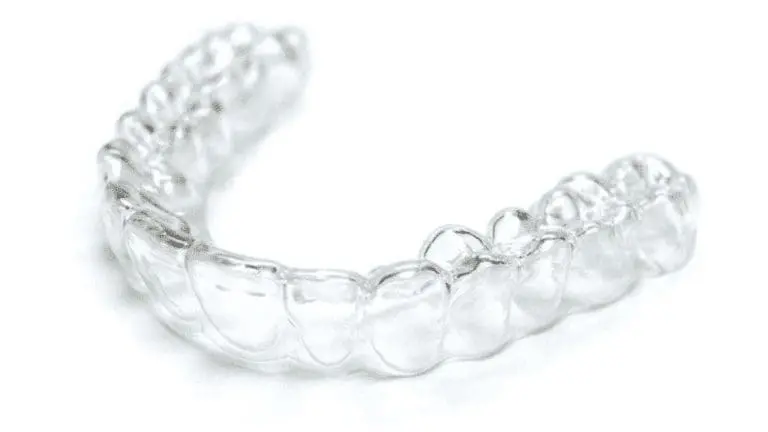
Invisalign, a modern alternative, employs a series of clear, removable aligners. These aligners are custom-made to fit snugly over the teeth and apply gentle pressure to gradually shift them into the desired position. They offer a more discreet and flexible orthodontic solution.

In the realm of aesthetics, Invisalign takes center stage. The clear aligners are nearly invisible when worn, making them an attractive choice for individuals who wish to undergo orthodontic treatment discreetly. Invisalign aligners allow you to maintain your natural smile throughout the treatment process, a significant advantage over traditional braces, which are more noticeable due to their metal components.

In the contest of comfort and maintenance, Invisalign emerges as the victor. The aligners are crafted from smooth, BPA-free plastic, minimizing irritation to the cheeks and gums. Additionally, they are removable, simplifying oral hygiene and allowing for easy eating without dietary restrictions. This removable feature also facilitates maintenance, eliminating the need for specialized tools to clean between wires and brackets, a common challenge with traditional braces.

Conversely, traditional braces can initially cause discomfort, particularly in the first few days after adjustments. The presence of wires and brackets can sometimes lead to cheek and lip irritation, and patients must be diligent about cleaning around these components.

In the realm of effectiveness and treatment time, it’s a balanced duel. Both Invisalign and traditional braces are highly effective in correcting a wide range of orthodontic issues. The specific treatment plan recommended by your orthodontist and the complexity of your case will play a more significant role in determining the effectiveness than the choice between the two methods.

Regarding treatment time, the duration can vary based on individual factors, such as the severity of misalignment and patient compliance. Invisalign may have a slight advantage for some mild to moderate cases, potentially resulting in a shorter treatment period. However, the exact timeline should be discussed with your orthodontist, as each case is unique.

In terms of flexibility and lifestyle, Invisalign offers unparalleled adaptability. The ability to remove the aligners when necessary makes it an excellent choice for individuals with active lifestyles or specific dietary preferences. There are no restrictions on what you can eat, and you can continue activities like playing musical instruments or participating in contact sports without significant adjustments.

Traditional braces, being fixed to the teeth, come with dietary restrictions and may require additional caution in certain activities to avoid damage to the wires and brackets.

The cost of orthodontic treatment can vary based on several factors, including your geographic location, the complexity of your case, and your insurance coverage. In general, Invisalign tends to be slightly more expensive than traditional braces due to its advanced technology and added convenience.

It is essential to discuss the financial aspect with your orthodontist and explore payment options to ensure that your chosen treatment fits comfortably within your budget.

In the Invisalign vs. braces debate, there is no definitive winner. The choice between these two orthodontic methods should be based on your unique needs, preferences, and goals for your smile. To make the best decision, consult with an experienced orthodontist who can evaluate your case and provide personalized recommendations.

Ultimately, both Invisalign and traditional braces are formidable allies in your journey to achieve a beautifully aligned smile. Whichever path you choose, rest assured that you are investing in a brighter, more confident future with a smile that truly reflects your inner beauty.

The Story Of Damon Braces

In the realm of orthodontics, innovation has consistently paved the way for more effective and comfortable treatments. One such transformative advancement is the Damon System, an orthodontic marvel that has reshaped smiles globally. Damon Braces are a fascinating narrative that unveils the origins, development, and incredible evolution of this groundbreaking orthodontic solution.

The story of Damon Braces begins with the need to address the longstanding limitations of conventional orthodontic treatments. Traditional braces, relying on metal bands, brackets, and elastic ties, were the norm for decades. However, they often brought discomfort, prolonged treatment durations, and frequent adjustment appointments.

The turning point in orthodontics arrived with the introduction of self-ligating brackets by Dr. Dwight Damon. These brackets, devoid of elastic ties, featured a built-in mechanism enabling the archwire to glide effortlessly through the bracket. This innovation substantially reduced friction, enhanced patient comfort, and marked a significant step towards the development of Damon Braces.

Dr. Damon’s visionary approach went beyond just self-ligating brackets. He envisioned an all-encompassing system that would revolutionize orthodontics. Thus, in the 1990s, the Damon System was introduced, marrying self-ligating brackets with a philosophy centered on facial aesthetics and patient comfort.

One of the pivotal advantages of Damon Braces is the substantial reduction in friction during treatment. Traditional braces required frequent adjustments to sustain progress due to the considerable friction they imposed on teeth. Damon Braces, through self-ligating brackets, offered reduced discomfort and the potential for quicker results.

Damon Braces weren’t merely about straightening teeth; they embraced the holistic Damon Philosophy. This philosophy prioritized achieving not only straight teeth but also harmonizing tooth alignment with natural facial growth. The result was not just a beautiful smile but enhanced overall facial aesthetics.

Traditional braces often led to patient complaints, ranging from discomfort and speech impediments to difficulty maintaining oral hygiene. Damon Braces addressed these concerns through a more comfortable treatment experience. The absence of elastic ties reduced friction and pressure on teeth, translating into less pain and fewer emergency appointments.

As Damon Braces gained recognition and popularity, it became imperative to spotlight the distinctions setting them apart from traditional braces.

Traditional braces often entailed treatment spanning over two years or more. In contrast, Damon Braces, with their reduced friction and enhanced efficiency, promised shorter treatment times, usually falling within 18 to 24 months. Damon Braces offered a superior level of comfort. The absence of elastic ties and reduced friction translated to less discomfort, fewer mouth sores, and a generally more pleasant orthodontic journey. Damon Braces were designed with aesthetics in mind. Their sleek, inconspicuous brackets and archwires made them far less noticeable than the bulky metal brackets of traditional braces. Maintaining good oral hygiene became more manageable with Damon Braces due to their design, allowing for easier cleaning and reduced plaque buildup.

The journey of Damon Braces didn’t halt with their introduction. This orthodontic system continued to evolve in tandem with advancements in orthodontic technology. Present-day patients can benefit from the latest materials and techniques, further enhancing the effectiveness and comfort of the Damon System.

As Damon Braces gained traction, the system expanded to accommodate diverse patient needs. Damon Clear, employing translucent brackets for a nearly invisible appearance, and Damon Q, renowned for its outstanding performance and aesthetics, are some of the options that cater to a variety of preferences.

The influence of Damon Braces extends beyond the alignment of teeth. It has profoundly transformed lives by bolstering self-confidence, promoting oral health, and providing a more comfortable orthodontic journey. Patients often report heightened satisfaction with their smiles and overall well-being post-Damon Braces treatment.

The introduction of the Damon System not only enhanced the patient experience but also pushed the boundaries of orthodontics. It spurred orthodontists and researchers to explore new avenues for refining treatment outcomes and orthodontic techniques.

Damon Braces stand as a testament to the transformative power of innovation in orthodontics. Dr. Dwight Damon’s vision and unwavering commitment to crafting a more comfortable and efficient orthodontic system have left an indelible mark on the field. Damon Braces continue to impact lives, delivering not only straight teeth but also radiant, confident smiles.

As we reflect upon the journey of Damon Braces, it is evident that this revolutionary orthodontic system will persist in shaping the future of orthodontics. It offers hope and transformation to countless individuals aspiring to attain a brighter, more confident smile. Year after year, fresh innovations build upon the foundation established by Dr. Damon, ensuring that the legacy of Damon Braces endures, bringing smiles to faces across the globe.

A Comprehensive Guide to Caring for Your Braces

Embarking on a journey to straighten your teeth with braces is a significant step towards achieving a healthier, more confident smile. However, to ensure the success of your orthodontic treatment and minimize discomfort, it’s crucial to understand how to care for braces properly. This comprehensive guide will take you through the essential aspects of braces care, from maintaining oral hygiene to navigating dietary choices and managing discomfort. By following these guidelines, you can make your orthodontic experience as smooth and effective as possible.

Proper brushing is paramount when you have braces. Food particles and plaque can easily accumulate around brackets and wires, increasing the risk of cavities and gum issues. Here’s how to brush effectively:

  • Use a soft-bristle toothbrush and fluoride toothpaste.
  • Angle your toothbrush at a 45-degree angle to clean both the brackets and your teeth.
  • Brush gently but thoroughly, spending at least two minutes on each session.
  • Pay extra attention to the gumline, where plaque buildup is common.
  • Don’t forget to brush the chewing surfaces and the back of your teeth.
  • Rinse your mouth thoroughly after brushing.Flossing becomes a bit more challenging with braces, but it’s crucial to prevent food and plaque buildup between teeth and around brackets. Consider these flossing techniques:
  • Use a floss threader or orthodontic floss designed for braces.
  • Carefully thread the floss under the wire and between your teeth.
  • Gently slide the floss up and down, ensuring you clean both sides of each tooth.
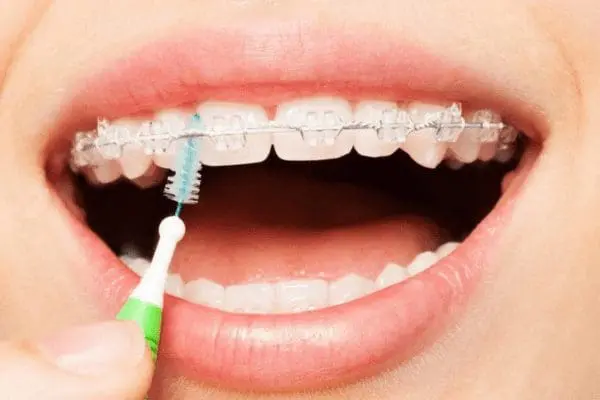
  • Be patient and take your time to floss properly.In addition to traditional flossing, interdental brushes can help clean hard-to-reach areas around brackets and wires. Using an antimicrobial mouthwash can also aid in reducing bacteria and preventing issues like gingivitis.To safeguard your braces and avoid damage, it’s essential to steer clear of certain foods and habits:
  • Hard and sticky foods: These can damage brackets and wires. Avoid things like hard candies, ice, popcorn, and chewing gum.
  • Crunchy fruits and vegetables: While you can still enjoy these, cut them into smaller, bite-sized pieces to minimize the risk of damage.
  • Sugary and acidic foods and drinks: These can lead to tooth decay and staining. Limit your consumption of soda, candy, and acidic fruits.
  • Nuts and tough meats: These can be challenging to chew with braces. Consider softer alternatives or cut them into smaller pieces.
  • Chewing on non-food items: Avoid biting on pens, pencils, or your fingernails, as this can damage your braces.Embrace a braces-friendly diet to minimize the risk of complications. Focus on:
  • Soft foods: Opt for foods like yogurt, mashed potatoes, scrambled eggs, and smoothies.
  • Protein sources: Choose lean meats, fish, and beans, and make sure they are cooked to a tender consistency.
  • Steamed or cooked vegetables: These are easier to chew and gentler on your braces.
  • Dairy products: Incorporate milk, cheese, and other dairy items for calcium and vitamin D.
  • Whole grains: Soft bread, pasta, and rice are excellent options.It’s common to experience some discomfort when you first get braces. Your mouth may be sore, and your teeth might feel sensitive. Over-the-counter pain relievers and orthodontic wax can help alleviate discomfort. Orthodontic wax can be applied to brackets or wires that are causing irritation.

Occasionally, you may encounter issues with your braces that require prompt attention. These may include:

  • Loose or broken brackets or wires
  • Wires poking or irritating your cheeks or gums
  • A piece of your braces coming off

In such cases, contact your orthodontist immediately for guidance. They will advise you on whether to come in for a repair appointment or provide instructions for temporary solutions.

Regular appointments with your orthodontist are vital to ensure the progress of your treatment. During these visits, your orthodontist will make necessary adjustments to your braces, ensuring that your teeth are moving correctly. It’s essential to keep these appointments as scheduled and follow your orthodontist’s recommendations.

If you participate in sports or any physical activities, wearing a mouthguard is crucial to protect your braces and prevent injuries to your mouth. Your orthodontist can provide you with a custom-fitted mouthguard for optimal comfort and protection.

Certain habits can be harmful to your braces and slow down your progress. These include:

  • Nail-biting
  • Pen or pencil chewing
  • Playing with the braces with your tongue or fingers

It’s essential to break these habits to prevent damage to your braces and ensure successful treatment.

After your braces are removed, you’ll likely be prescribed retainers to maintain the new alignment of your teeth. It’s crucial to wear your retainers as directed by your orthodontist to prevent your teeth from shifting back to their original positions.

Even after your orthodontic treatment is complete, it’s essential to continue regular dental check-ups. Your dentist will monitor your oral health, ensure that your teeth remain in their new positions, and address any concerns that may arise.

Caring for your braces is a commitment that pays off in the form of a beautiful, healthy smile. By following the guidelines outlined in this comprehensive guide, you can navigate your orthodontic journey with confidence. Remember, meticulous oral hygiene, dietary choices, and regular orthodontic visits are key to a successful outcome. With patience and diligence, you’ll soon enjoy the lifelong benefits of a perfectly aligned smile.

What percentage of Americans wear braces?

A straight and beautiful smile is a universal desire, and orthodontic braces have long been a trusted solution for achieving this goal. In this comprehensive exploration, we will delve into the history and trends of orthodontic braces usage in the United States, aiming to determine what percentage of Americans wear braces. We will also investigate the factors influencing this prevalence and the impact of orthodontic treatment on oral health and self-confidence.

The roots of orthodontic treatment can be traced back to ancient civilizations. Archaeological evidence suggests that various cultures, including the Egyptians, Greeks, and Romans, attempted rudimentary forms of dental alignment. These early methods often involved the use of metal bands, cords, and even animal teeth to correct dental misalignments.

Modern orthodontics, as we know it today, began to take shape in the 19th century. Dentists and orthodontists such as Edward Angle played pivotal roles in transforming orthodontic treatment into a specialized field. The introduction of braces, primarily using metal brackets and wires, marked a significant leap in the effectiveness and accessibility of orthodontic care.

The utilization of orthodontic braces in the United States has undergone substantial changes over the years. In the early 20th century, braces were a rare and often costly treatment primarily reserved for the upper class. However, as technology advanced and treatment became more widely accessible, braces started to gain popularity among a broader range of socioeconomic backgrounds.

To determine the percentage of Americans who wear braces, we can refer to available data from sources such as the American Association of Orthodontists (AAO). As of the last knowledge update in September 2021, there were approximately 4.5 million Americans currently undergoing orthodontic treatment. While this figure provides insights into the current prevalence, it does not account for individuals who have completed treatment or those who may have received orthodontic care at some point in the past.

The decision to wear braces often hinges on clinical necessity. Individuals with malocclusions, misalignments, bite problems, or other dental issues may require orthodontic treatment to address these concerns. The severity of the dental condition plays a pivotal role in determining who seeks orthodontic care.

The prevalence of braces among Americans varies by age group. Adolescents and teenagers are the primary demographic undergoing orthodontic treatment. This is because many dental issues, particularly those related to growth and development, are commonly detected and addressed during adolescence.

Socioeconomic factors, such as income and access to dental insurance, significantly influence the decision to seek orthodontic care. While orthodontic treatment has become more accessible over the years, affordability remains a key determinant for many individuals and families.

Advancements in orthodontic technology have expanded treatment options and made orthodontic care more appealing to a broader audience. Innovations such as clear aligners (e.g., Invisalign) provide a discreet and convenient alternative to traditional braces. These technological advancements contribute to changes in the percentage of Americans choosing orthodontic treatment.

Orthodontic treatment offers benefits that extend far beyond aesthetics. While achieving a straight and beautiful smile is a significant motivator, treatment can also correct functional issues such as bite problems, speech difficulties, and jaw misalignments. Moreover, orthodontic care contributes to improved oral health by facilitating better dental hygiene.

A straight smile can enhance an individual’s self-confidence and overall well-being. Many people find that the psychological and social benefits of orthodontic treatment are as valuable as the physical changes to their teeth. Improved self-esteem and social interactions are often reported outcomes of orthodontic care.

Orthodontic technology continues to evolve rapidly. Innovations like 3D printing, digital imaging, and artificial intelligence are shaping the future of orthodontic diagnosis and treatment planning. These advancements are likely to make treatment more efficient and accessible in the years to come.

Efforts are underway to improve the accessibility and equity of orthodontic treatment. Initiatives aimed at expanding access to orthodontic care, particularly for underserved communities, may lead to shifts in the percentage of Americans who have worn braces.

The prevalence of orthodontic braces usage in the United States reflects a dynamic interplay of historical developments, technological advancements, clinical needs, socioeconomic factors, and personal preferences. While the exact percentage of Americans who wear braces may fluctuate over time, the enduring benefits of orthodontic treatment remain clear. Orthodontics not only enhances oral health but also fosters self-confidence and a sense of well-being.

As orthodontic technology continues to advance and become more accessible, an increasing number of Americans are likely to embrace orthodontic treatment, ensuring that more smiles are aligned, confident, and healthy. Ultimately, the decision to wear braces is a personal one, guided by individual needs and aspirations for a brighter, straighter smile.

What to Expect with Invisalign

Achieving a straight and confident smile has never been more discreet and convenient than with Invisalign. Invisalign has revolutionized orthodontic treatment by offering a nearly invisible and removable alternative to traditional braces. Your journey with Invisalign begins with finding a qualified Invisalign provider, typically a licensed orthodontist or dentist experienced in Invisalign treatment.

During the consultation, your Invisalign provider will assess your oral health, discuss your goals, and determine whether Invisalign is the right treatment option for you. They will explain the process, answer your questions, and create a personalized treatment plan tailored to your unique case. Traditional dental molds are a thing of the past with Invisalign. Your provider will use advanced 3D digital scanning technology to create a precise digital impression of your teeth. This scan forms the basis for your custom Invisalign treatment plan. Based on the digital scan, your provider will create a personalized treatment plan that outlines the step-by-step movements of your teeth. You’ll get a glimpse of how your smile will evolve throughout the treatment, giving you a preview of the end result.

Invisalign aligners are custom-made for your teeth using advanced computer algorithms and 3D printing technology. These aligners are created to fit your teeth precisely, ensuring comfort and effective movement. Your treatment plan will consist of multiple sets of aligners, each designed to shift your teeth gradually. You’ll receive several sets at once and change them approximately every one to two weeks, as directed by your provider.

To achieve the best results, you should wear yourInvisalign aligners for 20 to 22 hours a day, removing them only for eating, drinking, brushing, and flossing. Consistency is key to the success of your treatment. Unlike traditional braces, Invisalign aligners are smooth and comfortable. While you may experience mild discomfort or pressure when switching to a new set of aligners, it is typically less pronounced than the discomfort associated with braces adjustments.

Maintaining excellent oral hygiene is crucial during Invisalign treatment. You can easily remove the aligners to brush and floss your teeth, reducing the risk of plaque buildup and tooth decay. Throughout your Invisalign treatment, you’ll have periodic check-up appointments with your provider to ensure that your teeth are progressing as planned. These appointments also provide an opportunity to address any questions or concerns.

In certain instances, refinements or mid-treatment adjustments may be required to achieve optimal results. These adjustments are normal and are part of the flexibility and customization that Invisalign offers. Following your provider’s recommendations and wearing your aligners consistently is essential for achieving the desired outcome. Compliance plays a significant role in determining the success of your treatment. Once your provider determines that your teeth have reached their desired alignment, you’ll complete the active phase of your Invisalign treatment. You’ll be presented with your final set of aligners and instructions for wearing them as retainers to maintain your beautiful new smile.

Retaining your results is just as important as achieving them. Your provider will design a custom retainer plan for you, which may involve wearing retainers at night or during specific times of the day to ensure your teeth remain in their new positions. Invisalign not only straightens your teeth but also boosts your confidence. You’ll enjoy the benefits of a beautifully aligned smile, improved oral health, and enhanced self-esteem. Maintaining excellent oral hygiene remains vital even after Invisalign treatment. Regular dental check-ups, proper brushing, flossing, and retainer maintenance will help you preserve your new smile for years to come.

Embarking on an Invisalign journey promises a path to a straighter, more confident smile without the visibility and discomfort associated with traditional braces. Understanding what to expect during Invisalign treatment, from the initial consultation to the final result, empowers you to make informed decisions and ensures a successful orthodontic experience. With dedication to wearing your aligners and proper oral care, you’ll soon reap the rewards of a stunning, well-aligned smile.

A Guide to Orthodontic treatments

Orthodontic treatments are a transformative branch of dentistry that specializes in correcting misaligned teeth and jaws. These treatments go beyond cosmetic improvements; they can enhance oral health, improve bite function, and boost self-confidence. Understanding orthodontic issues is the first step toward effective treatment. Orthodontic issues encompass a wide range of conditions, from crooked teeth and overbites to underbites and overcrowded teeth. These problems can lead to oral health issues like gum disease, cavities, and even jaw pain.

There are several orthodontic treatment options available today. Traditional braces, consisting of metal brackets and wires, remain a popular choice for severe misalignments. In recent years, Invisalign, a clear aligner system, has gained popularity for its discreet appearance and comfort. Other options include ceramic braces and lingual braces, each with its unique advantages and considerations.

Orthodontists are specialized dentists with additional training in orthodontics. They are the experts who diagnose and treat orthodontic issues. Choosing a skilled orthodontist is crucial, as they will create a personalized treatment plan tailored to your specific needs, ensuring the best possible outcome.

The treatment process typically begins with a comprehensive examination, which may include X-rays and impressions. Your orthodontist will then create a treatment plan and discuss the recommended approach with you. Regular appointments for adjustments are necessary throughout the treatment process to ensure progress and make necessary modifications.

Orthodontic treatments offer numerous benefits beyond just a straighter smile. They can improve bite function, making it easier to chew and speak. Straight teeth are also easier to clean, reducing the risk of dental issues. Additionally, a beautiful smile can boost self-esteem and confidence, impacting various aspects of life, including personal relationships and career opportunities.

After your orthodontic treatment is complete, you’ll likely need to wear a retainer to maintain the results. Retainers prevent your teeth from shifting back to their original positions. Proper care and follow-up appointments with your orthodontist are essential during this phase.

The cost of orthodontic treatment varies depending on the type and duration of treatment. Many dental insurance plans offer orthodontic coverage, but it’s essential to understand your coverage limits and any out-of-pocket expenses. Some orthodontists also offer payment plans to make treatment more affordable.

Orthodontic treatments are a valuable investment in your oral health and overall well-being. By understanding your orthodontic issues, choosing the right treatment option, working with a skilled orthodontist, and committing to maintenance, you can achieve a beautiful, healthy smile that lasts a lifetime. If you’re considering orthodontic treatment, consult with a professional to embark on this transformative journey to improved oral health and increased self-confidence.

Common Orthodontic Problems and how to fix them

Orthodontic problems are prevalent among both children and adults, and addressing them is crucial for oral health and overall well-being. These issues encompass a wide range of conditions, from overcrowding to diastema (gaps between teeth), each potentially impacting oral health and aesthetics. Let’s delve into some of these common orthodontic concerns and explore the treatment options available to correct them.

Overcrowding is a frequent problem where there isn’t enough space in the jaw to accommodate all the teeth properly. This condition can lead to crooked and misaligned teeth, affecting both appearance and oral health. Orthodontic solutions for overcrowding often involve the use of braces, clear aligners like Invisalign, or even tooth extraction in severe cases.

Crooked teeth, another common issue, can affect the aesthetics of one’s smile and overall dental health. These misaligned teeth may be corrected using braces or clear aligners, depending on the severity of the condition and the patient’s preferences.

Overbites and underbites are issues related to the alignment of the upper and lower teeth. An overbite occurs when the upper front teeth overlap significantly over the lower front teeth, while an underbite is characterized by the lower teeth protruding past the upper teeth. Both conditions can lead to functional problems and are typically treated with braces, aligners, or in severe cases, surgery.

Open bites, on the other hand, manifest as a gap between the upper and lower front teeth when the mouth is closed. This issue can create speech difficulties and challenges when biting into certain foods. Orthodontic treatment, such as braces or aligners, can be employed to address open bites effectively.

Crossbites occur when some of the upper teeth sit inside the lower teeth when the mouth is closed. This misalignment can result in uneven wear on the teeth and jaw discomfort. Treatment options for crossbites may involve braces, expanders, or other orthodontic appliances.

Diastema, characterized by gaps between teeth, is another common concern. These gaps, frequently seen between the upper front teeth, can be closed with orthodontic interventions such as braces, aligners, or veneers.

Impacted teeth, those that do not emerge correctly due to lack of space, can be painful and lead to infection. Orthodontic treatment for impacted teeth often includes creating space through braces, surgical procedures, or other interventions.

Various orthodontic issues can affect both the appearance and functionality of one’s smile. Fortunately, numerous effective treatment options are available to address these common problems, with treatment plans tailored to individual needs. Early intervention is essential, as it can help prevent more severe issues down the road. Therefore, seeking professional guidance from an experienced orthodontist is crucial for achieving a healthier and more aesthetically pleasing smile. Don’t hesitate to consult with a specialist to ensure the best possible outcome for your orthodontic concerns. Your smile’s health and beauty are worth the investment in orthodontic care.