


The Benefits of Braces for Kids

Orthodontic treatment involving braces has been a cornerstone in the world of dentistry for many decades. It is a solution that has transformed countless smiles, providing not only aesthetic benefits but also addressing functional issues related to misaligned teeth. While braces are commonly associated with teenagers and adults, they can also be a game-changer for kids. Let’s explore the numerous benefits of braces for children, highlighting the positive impact they can have on a child’s oral health, self-esteem, and overall well-being.

One of the primary advantages of getting braces for kids is the opportunity to address dental problems at an early age. Orthodontic issues, such as overcrowded teeth, bite problems, or misaligned jaws, often begin to manifest during childhood. By identifying and treating these issues early, orthodontists can prevent them from becoming more complex and challenging to correct in the future. This proactive approach ensures that a child’s smile develops correctly, minimizing the need for extensive orthodontic interventions later in life.

Braces not only enhance the appearance of a child’s smile but also contribute significantly to their oral health. Misaligned teeth can create spaces and crevices that are challenging to clean thoroughly, increasing the risk of tooth decay and gum disease. By aligning the teeth properly, braces make it easier for kids to maintain good oral hygiene habits. This reduces the likelihood of cavities, gum problems, and the need for extensive dental work in the future.

A lesser-known benefit of braces for kids is their positive impact on speech development. Misaligned teeth can affect the way children articulate sounds and pronounce words. By aligning the teeth and improving jaw alignment, braces can help kids speak more clearly and confidently. This can have a profound effect on a child’s self-esteem and social interactions, as effective communication is essential for building relationships and self-expression.

The impact of braces on a child’s self-esteem cannot be overstated. Children are often sensitive about their appearance, and issues like crooked teeth or a misaligned smile can lead to self-consciousness and low self-esteem. Braces provide a clear path to a more beautiful and confident smile. As kids see their teeth gradually align and improve, their self-esteem typically rises, leading to a more positive self-image and greater confidence in social situations.

Braces not only address existing dental issues but also prevent potential problems from arising. For example, correcting a bite misalignment can prevent excessive wear on certain teeth and reduce the risk of temporomandibular joint (TMJ) disorders in the future. By proactively treating these issues during childhood, braces can save children from experiencing pain and discomfort later in life.

Orthodontic treatment with braces can provide long-term health benefits for kids. Properly aligned teeth and a well-balanced bite can contribute to better overall health by reducing the risk of conditions like headaches, jaw pain, and neck pain associated with misaligned teeth or jaw problems. Additionally, improved oral health achieved through braces can lead to better overall health by reducing the risk of systemic diseases linked to gum disease and poor oral hygiene.

Orthodontic treatment with braces can provide long-term health benefits for kids. Properly aligned teeth and a well-balanced bite can contribute to better overall health by reducing the risk of conditions like headaches, jaw pain, and neck pain associated with misaligned teeth or jaw problems. Additionally, improved oral health achieved through braces can lead to better overall health by reducing the risk of systemic diseases linked to gum disease and poor oral hygiene.

Braces for kids represent not only an investment in their current well-being but also in their future. A straight and healthy smile is an asset that can last a lifetime, improving a child’s quality of life in both the short and long term. The confidence and self-esteem gained through a beautiful smile can positively influence various aspects of a child’s life, from personal relationships to academic and professional endeavors.

Braces for kids offer a wide range of benefits that extend beyond just cosmetic improvements. They provide an opportunity to correct dental issues early, enhance oral health, boost self-esteem, and prevent future dental and health problems. Investing in orthodontic treatment for your child can set them on a path to a lifetime of improved oral health, confidence, and overall well-being. So, if you’re considering braces for your child, rest assured that the benefits are not only significant but also far-reaching, leading to a smile that lasts a lifetime.
Clear Aligners vs Traditional braces Pros and Cons

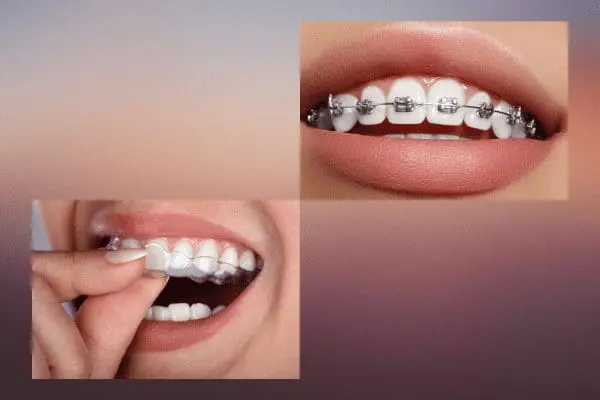
Orthodontic treatment has come a long way in recent years, offering more options than ever before for individuals seeking to achieve a straight and beautiful smile. Clear aligners and traditional braces are two of the most popular methods for correcting misaligned teeth. Each approach has its own set of advantages and disadvantages, and the choice between them depends on individual preferences, orthodontic needs, and lifestyle considerations.

Clear aligners have gained significant popularity due to their discreet and removable nature. Let’s delve into the pros and cons of clear aligners. Clear aligners are known for their virtually invisible appearance. They are made of transparent plastic and fit snugly over your teeth, making them much less noticeable than traditional braces. This feature is particularly attractive to adults and older teens who prefer a more discreet option.

The removability of clear aligners is a significant advantage. You can take them out for eating, drinking, and oral hygiene. This eliminates the dietary restrictions associated with traditional braces and makes it easier to maintain good oral health. Clear aligners are generally more comfortable than braces. They lack wires or brackets that can cause irritation or sore spots in the mouth. The smooth plastic of clear aligners is less likely to cause discomfort. In some cases, clear aligners can achieve results faster than traditional braces. The treatment duration varies depending on the individual’s needs, but the absence of wire adjustments can lead to shorter treatment times in certain situations. The success of clear aligner treatment depends on the patient’s compliance. Aligners should be worn for at least 20-22 hours per day, and neglecting this requirement can prolong treatment or even hinder its effectiveness.

Clear aligners are not suitable for all orthodontic cases. They work best for mild to moderate alignment issues. Severe cases may require traditional braces for more comprehensive correction. Clear aligners can be more expensive than traditional braces. The customized, transparent material and computer-aided design involved in creating clear aligners can lead to higher costs.

Traditional braces have been a staple of orthodontic treatment for many years. Let’s examine their pros and cons – Traditional braces are highly effective at correcting a wide range of orthodontic issues, including severe misalignments, overbites, underbites, and more. They offer precise control and can address complex cases. Unlike clear aligners, traditional braces are always working. There are no compliance issues because they are fixed in place and cannot be removed. This ensures continuous progress throughout the treatment.

Traditional braces are typically more cost-effective than clear aligners. This makes them a more budget-friendly option for those who need orthodontic treatment. Traditional braces are noticeable due to the metal brackets and wires. Some individuals, especially adults and teenagers, may find their appearance less appealing. Keeping the teeth and braces clean can be challenging. Food particles and plaque can get trapped around the brackets and wires, requiring extra care and attention to maintain good oral hygiene.

Traditional braces may cause discomfort, particularly during the adjustment period when wires are tightened. This can result in sore spots and occasional irritation. Individuals with braces need to avoid certain foods that are too hard, sticky, or chewy, as they can damage the braces. This can be seen as a limitation by some. The treatment duration with traditional braces can be longer than with clear aligners. The complexity of the case and the need for periodic adjustments can extend the treatment time.

The choice between clear aligners and traditional braces should be based on individual needs and preferences. Clear aligners are discreet, comfortable, and removable but may not be suitable for all cases and can be more costly. Traditional braces are effective for complex issues, more cost-effective, but can be less visually appealing and require extra attention to oral hygiene. It’s essential to consult with an orthodontist who can evaluate your specific needs and help you make an informed decision regarding your orthodontic treatment.

The Different types of braces for all Ages

Orthodontic treatment has seen remarkable advancements over the years, offering a wide range of options to address misaligned teeth and jaw issues. While braces have been a traditional method for straightening teeth, they are no longer one-size-fits-all. Today, individuals of all ages have various types of braces to choose from, each designed to cater to their specific needs and preferences.

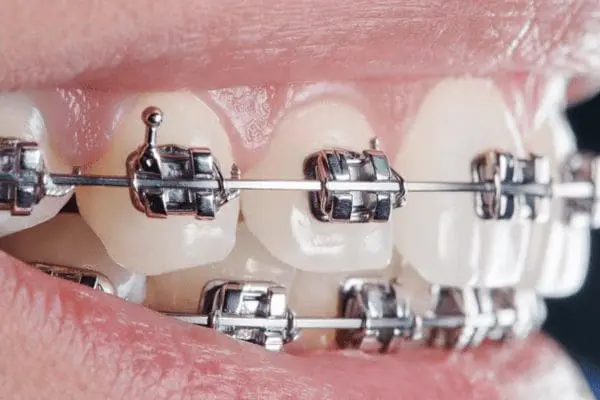
Metal braces, also known as traditional braces, have been the standard choice for decades. These braces consist of metal brackets that are adhered to each tooth and connected with wires. The tension in the wires gradually guides the teeth into the desired position. Although they are highly effective and can treat even the most complex orthodontic issues, their appearance is noticeable, and some individuals may find them less appealing.

Ceramic braces are a more discreet alternative to traditional metal braces. These braces function in a similar way, using brackets and wires. However, the brackets are made of clear or tooth-colored ceramic material, making them less conspicuous. Ceramic braces are a popular choice among adults and teenagers who desire a subtler option.

Lingual braces are similar to traditional metal braces in terms of materials, but they are placed on the backside of the teeth, making them virtually invisible when you smile. This feature has made lingual braces a popular choice for individuals who want effective treatment without the visible appearance of braces. However, they can be more challenging to clean and may cause some discomfort or speech changes initially.

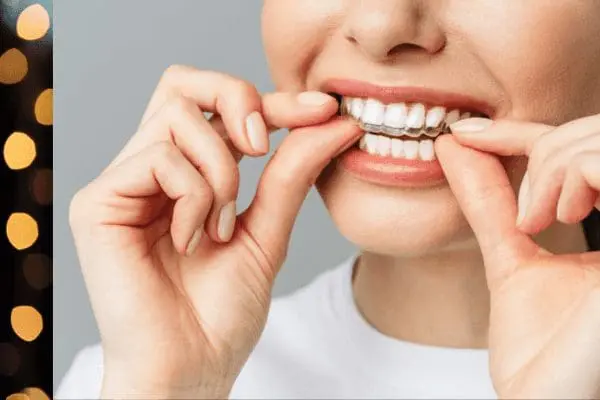
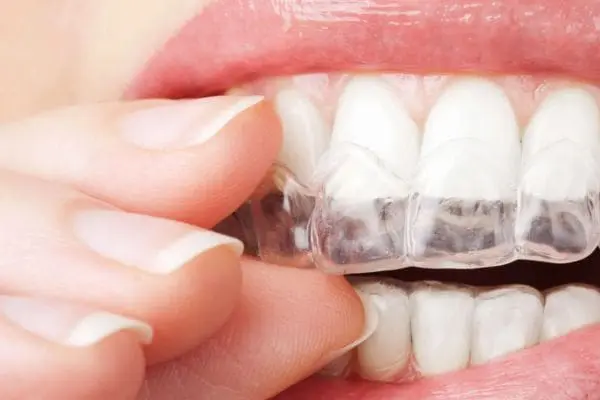
Clear aligners, like Invisalign, have become increasingly popular in recent years. They consist of a series of transparent, removable trays that fit snugly over the teeth. Aligners are custom-made for each patient, and they gradually shift the teeth into the desired position. They are nearly invisible and offer the advantage of being removable for eating, drinking, and oral hygiene. Clear aligners are particularly attractive to adults and older teenagers.

Self-ligating braces, whether metal or ceramic, do not use elastic bands to hold the wires in place. Instead, they have a built-in mechanism that holds the wires. This design can reduce friction, potentially leading to quicker treatment and fewer adjustments. Self-ligating braces are low-profile and can be a comfortable choice.

Invisible braces are a broad category that encompasses various brands and styles of nearly invisible orthodontic treatments. They can include clear aligners, ceramic braces, or other less conspicuous options. The goal of invisible braces is to provide effective treatment while minimizing the visual impact of braces.

Damon braces are a specific type of self-ligating braces that do not require the use of elastic ties or bands. The brackets are designed for a more comfortable experience and reduced friction. Damon braces can offer quicker treatment times and require fewer adjustments.

Orthodontic treatment is not limited to children and teenagers. More adults are seeking orthodontic care to improve their smiles and address long-standing issues. The types of braces available are suitable for adults, and the choice depends on individual needs and lifestyle.

Teenagers often prefer discreet options like clear aligners or ceramic braces. These choices allow them to undergo orthodontic treatment while feeling less self-conscious about their appearance.

Orthodontic problems can manifest early in a child’s development. In such cases, early orthodontic treatment may be recommended. Children can have various types of braces, with the choice determined by the orthodontist’s assessment of the child’s specific needs.

The choice of braces depends on various factors, including the severity of the orthodontic issue, lifestyle, and personal preferences. Consulting with an orthodontist is essential to determine the most suitable treatment option.

Orthodontic treatment has evolved to cater to the diverse needs and preferences of individuals. The array of choices ensures that everyone, regardless of age or lifestyle, can find a suitable option for achieving a healthier, more attractive smile. The guidance of an experienced orthodontist is invaluable in making the right decision and embarking on the journey toward improved oral health and enhanced self-confidence.

The Power of Invisalign

In the realm of orthodontics, Invisalign has become a buzzword, a technological advancement that has transformed the way people achieve straighter smiles. Gone are the days of metallic brackets and wires that often came with discomfort and self-consciousness. Invisalign offers a revolutionary alternative to traditional braces, bringing with it a wealth of benefits that have changed the landscape of orthodontic treatment.

Orthodontics, the practice of correcting misaligned teeth and jaws, has come a long way since its inception. The quest for straighter teeth dates back thousands of years, with evidence of early orthodontic practices found in the remains of ancient civilizations. However, the modern field of orthodontics truly began to take shape in the 18th century with the introduction of dental appliances. Fast forward to the 20th century, and traditional braces, featuring metal brackets and wires, became the norm.

While traditional braces were effective, they presented a host of challenges. Patients often experienced discomfort, dietary restrictions, and self-esteem issues due to their appearance. Orthodontists and researchers sought an alternative that could address these concerns. Enter Invisalign.

Invisalign was created with a vision to transform the orthodontic experience. This clear aligner system, first introduced in 1997, marked a significant departure from traditional braces. Instead of brackets and wires, Invisalign employs a series of clear, custom-made aligners that are virtually invisible when worn. These aligners are made from BPA-free plastic, ensuring both safety and comfort.

The Invisalign process begins with a consultation during which digital impressions are taken to create a 3D model of the patient’s teeth. This model forms the basis for the series of aligners, each designed to gradually shift the teeth into their desired position. Patients receive a new set of aligners every one to two weeks, with each set bringing them closer to their ultimate goal of a straighter smile.

Invisalign’s technology extends beyond its clear appearance. The aligners are removable, allowing patients to eat, drink, and practice oral hygiene without restrictions. This is a stark contrast to traditional braces, which necessitate avoiding certain foods and require rigorous dental care routines. With Invisalign, the daily life of a patient is minimally disrupted, fostering a more comfortable and less intrusive treatment experience.

The power of Invisalign lies in its multitude of advantages. The most obvious benefit is the virtually invisible appearance of Invisalign aligners. Patients can smile with confidence throughout their treatment, without the conspicuousness of traditional braces.

The ability to remove the aligners for eating and oral care simplifies daily life. There are no food restrictions, and cleaning teeth is as straightforward as ever. Invisalign uses advanced computer technology to predict the outcome of treatment, allowing patients to see a digital representation of their straightened smile before they even begin.

In some cases, Invisalign can achieve results more quickly than traditional braces, making it an attractive option for many patients. With removable aligners, maintaining oral hygiene is more accessible, reducing the risk of dental issues that can arise with traditional braces.

Invisalign is suitable for a wide range of orthodontic issues, from mild to complex cases. The impact of Invisalign extends beyond just straightening teeth. It is about boosting self-esteem, improving oral health, and enhancing overall quality of life. Patients who opt for Invisalign experience a transformation that goes beyond their smiles. The newfound confidence that comes with a straighter smile is immeasurable.

Invisalign’s popularity has surged, and its reach has expanded globally. It is no longer confined to the realm of adult orthodontics; it has become increasingly popular among teenagers and even young children. This versatility is a testament to the adaptability and effectiveness of the treatment.

Orthodontists play a pivotal role in harnessing the power of Invisalign. Their expertise in diagnosing and treating orthodontic issues is essential to the success of Invisalign treatment. Orthodontists, as highly trained professionals, assess each patient’s unique needs and create customized treatment plans. They closely monitor the progress and make adjustments as necessary to ensure the best possible outcome.

Moreover, orthodontists work in tandem with Invisalign’s digital technology. Advanced software and 3D imaging guide the treatment process, allowing orthodontists to visualize and plan the precise movements of the teeth. This collaboration between technology and human expertise results in predictable and optimal results.

Invisalign has truly revolutionized the field of orthodontics. With its clear, comfortable, and convenient approach to straightening teeth, it has empowered individuals of all ages to embark on a journey to a more confident and healthier smile. The power of Invisalign transcends aesthetics; it extends to a significant enhancement in overall quality of life.

As orthodontics continue to evolve, Invisalign stands as a testament to the remarkable impact that innovation can have on the well-being of individuals. With its transformative effects on smiles, confidence, and oral health, Invisalign has emerged as a beacon of hope for those seeking an alternative to traditional braces.

Invisalign is not just about straightening teeth; it is about changing lives—one smile at a time.

How Orthodontics can Improve your overall Health

Orthodontics is often associated with improving the appearance of one’s smile. While achieving a straighter set of teeth and a confident smile is undoubtedly one of the significant benefits, what many may not realize is that orthodontic treatment goes beyond aesthetics. It can significantly impact your overall health and well-being. Let’s delve into the myriad ways in which orthodontics can lead to improved health, both in the short term and for a lifetime.

Orthodontic treatment can lead to improved oral health. Misaligned teeth can create pockets where food particles can get trapped, making it difficult to maintain proper oral hygiene. This can result in a higher risk of gum disease and tooth decay. Braces or clear aligners help align your teeth properly, making it easier to clean your teeth effectively and maintain good oral health. Proper digestion begins in the mouth. Misaligned teeth can hinder your ability to chew food properly. When you can’t chew your food thoroughly, it places additional stress on your digestive system. Orthodontic treatment can help ensure that your teeth align correctly, facilitating the chewing process and aiding digestion.

Jaw misalignment is a common issue, and it can lead to temporomandibular joint (TMJ) disorders, which can cause jaw pain, headaches, and discomfort. Orthodontic treatment can correct the alignment of your teeth and jaws, reducing the risk of developing TMJ disorders and alleviating existing jaw pain. Misaligned teeth can affect your speech and pronunciation. Orthodontic treatment can help correct these issues, leading to improved speech and communication skills. This is especially beneficial for children and teenagers whose speech development may be impacted by orthodontic issues. Orthodontic problems, such as a misaligned bite, can contribute to sleep-related issues, including snoring and sleep apnea. By addressing these issues through orthodontic treatment, individuals can experience better sleep quality and a reduced risk of sleep apnea, a serious condition associated with various health problems.

Having a straight and healthy smile can significantly boost your self-esteem and mental well-being. Feeling confident about your smile can positively impact your overall mental health, reducing anxiety and promoting a positive self-image. Poor oral health can be linked to systemic health issues, including heart disease, diabetes, and respiratory problems. By addressing orthodontic issues and improving your oral health, you can reduce the risk of these systemic health concerns. Misaligned teeth can lead to uneven wear on your tooth surfaces. This abnormal wear can result in tooth sensitivity, pain, and a higher risk of cavities. Orthodontic treatment can ensure that your teeth come together properly, preventing abnormal wear and preserving tooth health.

Properly aligned teeth and a healthy bite make it easier for individuals to eat a variety of foods. When you can consume a balanced diet with ease, it contributes to better overall health and nutrition. Orthodontic treatment can correct issues related to speech and swallowing. For those with these concerns, orthodontics can lead to improved muscle coordination, making it easier to communicate and swallow without difficulty. Orthodontic treatment can address issues related to the position of the tongue and jaw, which can impact breathing. By improving these factors, orthodontics can contribute to better breathing and may alleviate problems like chronic snoring. Orthodontic assessments often involve a detailed examination of the oral and facial structure. During these evaluations, orthodontists can detect other health issues, such as airway obstructions and growth-related concerns. Early detection of these problems can lead to prompt intervention and treatment.

Orthodontics goes far beyond just creating a beautiful smile. It plays a vital role in enhancing overall health, from improved oral hygiene and digestion to reducing the risk of various health issues. If you’re considering orthodontic treatment, you’re not only investing in your appearance but also in your well-being. Consult with an experienced orthodontist to discuss your specific needs and explore the ways in which orthodontic treatment can improve your overall health and quality of life.

What to Expect during your First Orthodontic Appointment

The decision to seek orthodontic treatment is a significant step towards achieving a healthy, beautiful smile. If you’re considering orthodontics, you may be curious about what to expect during your first appointment. In this comprehensive guide, we’ll walk you through the various aspects of your initial orthodontic visit, from the moment you step into the orthodontist’s office to understanding the evaluation process and discussing potential treatment options. By the end of this article, you’ll have a clear understanding of what awaits you during this pivotal first appointment.

Your first orthodontic appointment begins with a warm and friendly welcome. The reception staff will greet you and help you complete any necessary paperwork. It’s advisable to arrive a little earlier than your scheduled appointment time to ensure that you have ample time to fill out any required forms. You’ll be asked for personal and contact information, and you may need to provide insurance details, so be sure to have your insurance card handy.

After completing the paperwork, you’ll be introduced to the orthodontic team, which may include the orthodontist, dental assistants, and hygienists. The orthodontist will then meet with you for an initial consultation. This is your opportunity to discuss your orthodontic concerns, goals, and any questions you may have. You should feel comfortable sharing your expectations and any issues you want to address during this conversation.

The next step involves a comprehensive examination of your oral health. The orthodontist will assess various aspects, including your facial structure, the alignment of your teeth and jaws, the health of your gums, any existing dental issues, your bite (how your upper and lower teeth fit together), and X-rays or digital scans may be taken to get a detailed look at your teeth and jaws. This thorough evaluation helps the orthodontist understand your specific needs and develop a personalized treatment plan.

Once the examination is complete, the orthodontist will discuss the treatment options available to you. They will consider your unique needs, your desired outcomes, and any restrictions or preferences you may have. Common treatment options include traditional braces, Invisalign, functional appliances, and retainers. The orthodontist will explain the advantages and disadvantages of each option and recommend the one that best aligns with your goals and oral health needs.

After discussing treatment options, the orthodontist will present a customized treatment plan tailored to your specific case. This plan outlines the proposed treatment, including the type of orthodontic appliance, estimated duration, and an overview of the treatment process.

The financial aspect of orthodontic treatment will also be discussed during your first appointment. The orthodontic team will provide an estimate of the total cost of treatment, including any associated fees. They will explain the available payment options, such as insurance coverage, payment plans, and financing options.

Once you’ve reviewed and discussed the treatment plan and financial details, you can schedule your next appointment. The frequency of orthodontic visits will vary based on your specific treatment plan. Regular appointments are essential for adjustments, monitoring progress, and ensuring the treatment stays on track.

Upon leaving your first orthodontic appointment, you’ll have a clearer understanding of your oral health and the path to achieving your desired smile. The process of getting started with orthodontic treatment typically involves preparation, appliance installation, regular appointments, oral care and maintenance, and progress tracking.

Your first orthodontic appointment marks the beginning of a transformative journey towards a healthier, more confident smile. By understanding what to expect during this initial visit, you can approach the process with confidence and a clear understanding of your treatment options.

How much is Invisalign

Understanding the cost of Invisalign involves considering several factors. The complexity of your dental issues, geographic location, and the experience of the orthodontist all contribute to the overall expense. Invisalign providers may have different tiers, with higher-tier designations often correlating with increased fees. Insurance coverage varies, and while some plans may help with costs, it’s essential to clarify the extent of coverage. Additional expenses, such as initial consultations and post-treatment retainers, should also be factored in. Many practices offer payment plans or financing options, providing flexibility for those seeking Invisalign. Before committing to treatment, consult with an experienced orthodontist to understand the specific considerations for your case and to create a tailored plan that aligns with your needs and budget.

Invisalign, a revolutionary approach to orthodontic treatment, offers individuals the opportunity to achieve straighter teeth and a more aligned smile without the use of traditional braces. While the benefits of Invisalign are well-known, understanding the associated costs is a critical aspect for those considering this treatment option.

One primary factor influencing the cost of Invisalign is the complexity of the orthodontic issues that need correction. Mild cases, such as minor crowding or spacing issues, generally require less treatment time, resulting in lower overall costs. On the other hand, more complex cases involving severe misalignments or bite issues may necessitate a more extended treatment duration, contributing to a higher total expense.

Geographic location also plays a significant role in determining the cost of Invisalign. Orthodontic treatment costs can vary based on the cost of living in a particular area. In regions with a higher cost of living, orthodontic practices may have higher overhead costs, which can be reflected in the pricing for Invisalign treatment. It is advisable for individuals to research and obtain quotes from different providers in their local area to gain a better understanding of regional pricing trends.

The experience and expertise of the orthodontist overseeing the Invisalign treatment are additional factors influencing the overall cost. Orthodontists with extensive experience, especially those with a successful track record of treating cases with Invisalign, may charge higher fees for their services. While the cost may be higher, the expertise of an experienced orthodontist can contribute to a smoother and more successful treatment process.

Invisalign providers are categorized into different tiers based on their experience and the number of cases they have successfully treated. Higher-tier providers, often referred to as Platinum or Diamond providers, may charge higher fees for their services. These providers may have a more extensive history of successfully treating patients with Invisalign, potentially justifying the higher cost. However, individuals should carefully weigh the benefits of choosing a higher-tier provider against their budget considerations.

Dental insurance coverage is another critical aspect to consider when evaluating the cost of Invisalign. While many dental insurance plans offer coverage for orthodontic treatments, the extent of coverage can vary widely. Some insurance policies may cover a portion of the treatment cost, while others may not cover orthodontic treatment at all. It is essential for individuals to check with their insurance provider to understand the specifics of their coverage and determine any potential out-of-pocket expenses.

In addition to the basic Invisalign treatment costs, individuals should be aware of potential additional expenses. These can include fees for initial consultations, X-rays, dental impressions, and post-treatment retainers. While these additional costs may vary among orthodontic practices, discussing them upfront with the orthodontist can help individuals plan their budget more effectively.

Many orthodontic practices, including those offering Invisalign, understand that the cost of treatment can be a significant consideration for patients. As a result, they often provide flexible payment plans or financing options to make Invisalign more accessible. These options can allow individuals to spread the cost of treatment over an extended period, making it more manageable for those with budget constraints.

Before starting Invisalign treatment, individuals are encouraged to explore the payment plans and financing options offered by the orthodontic practice. This proactive approach can help patients determine the most suitable financial arrangement based on their unique circumstances. Some practices may offer in-house financing, while others may partner with third-party financing companies to provide additional flexibility.

Understanding the cost of Invisalign involves considering various factors, including the complexity of orthodontic issues, geographic location, orthodontist experience, provider status, insurance coverage, and potential additional costs. Consulting with an experienced orthodontist is crucial to assess specific needs and receive a personalized treatment plan. By exploring available payment plans and financing options, individuals can make informed decisions to achieve the desired smile transformation while effectively managing their budget.

The Importance of Retainers after Braces

Orthodontic treatment is a transformative journey that can lead to a straighter, healthier smile. For many individuals, braces are a necessary step in achieving this goal. However, once the braces are removed, the journey is not quite over. Retainers play a crucial role in maintaining the results achieved through orthodontic treatment.

The process of moving teeth into their desired positions is not a one-time event. Even after braces have been successfully used to align teeth, there is a natural tendency for teeth to shift back to their original positions. This phenomenon is known as orthodontic relapse. To prevent relapse and preserve the hard-earned progress made during orthodontic treatment, retainers are essential.

Retainers work by holding teeth in their new positions while the surrounding bone and soft tissues adapt to the changes. The bone needs time to solidify around the newly positioned teeth, and retainers aid in maintaining stability during this critical period. Without retainers, there is a risk that the teeth may shift, leading to a less-than-ideal smile.

There are several types of retainers available, and the choice of retainer may depend on the orthodontist’s recommendation and the patient’s preferences.

Hawley retainers are among the most recognizable types of retainers. They consist of a plastic or acrylic body that is custom-fitted to the roof of the mouth and a wire that runs across the front of the teeth. Hawley retainers are removable, making them easy to clean and maintain.

Clear aligner retainers, such as Invisalign-style retainers, are transparent, removable trays that snugly fit over the teeth. They are discreet and offer the advantage of being nearly invisible when worn. Clear aligner retainers are popular among patients who want a more inconspicuous option.

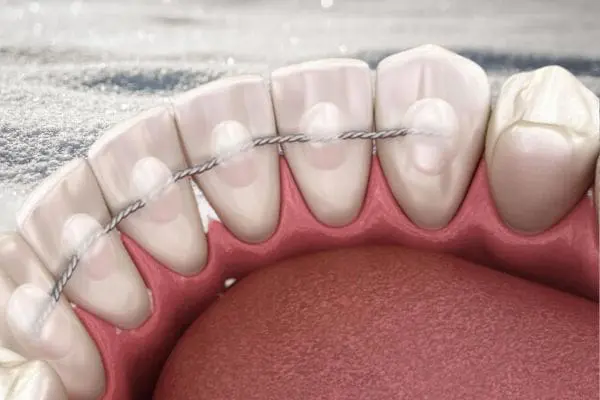
Fixed or bonded retainers are cemented to the back of the front teeth, typically on the lower arch. These retainers are not visible when smiling and provide a continuous force to keep teeth in place. They are a suitable option for individuals who may forget to wear removable retainers consistently.

While orthodontic treatment is largely overseen by the orthodontist, the effectiveness of retainers relies heavily on the patient’s compliance. Wearing retainers as instructed is vital for maintaining the results achieved through braces. Many patients are diligent during the active phase of treatment but become lax in wearing retainers, mistakenly believing that their teeth are stable.

Orthodontists typically provide clear instructions on retainer wear, including how often to wear them and for how long each day. Patients should adhere to these guidelines to ensure the best possible outcome. Failure to wear retainers as prescribed can lead to relapse, undoing months or even years of orthodontic progress.

Proper care and maintenance of retainers are essential to their longevity and effectiveness. Removable retainers should be cleaned daily using a soft toothbrush and mild soap or retainer cleaner. This helps prevent the buildup of bacteria and plaque.

Retainers should be kept away from hot water, direct sunlight, and any sources of heat, as exposure to high temperatures can distort their shape. When not in use, retainers should be stored in their protective case to reduce the risk of loss or damage.

When inserting or removing removable retainers, handle them gently to avoid bending or breaking. Regular follow-up appointments with the orthodontist are essential to ensure that the retainers are fitting correctly, and any necessary adjustments are made.

While it is common for orthodontists to recommend wearing retainers full-time initially (typically 24/7), the duration of full-time wear may vary from patient to patient. After the initial period, patients may transition to nighttime wear. However, some individuals may need to wear retainers indefinitely to maintain their results.

The decision regarding the duration of retainer use is typically made in consultation with the orthodontist, taking into account the individual’s specific orthodontic needs and risk of relapse. Patients should follow their orthodontist’s guidance closely to ensure their teeth remain aligned.

Retainers are a vital component of orthodontic treatment that should not be overlooked. They play a crucial role in maintaining the results achieved through braces, preventing orthodontic relapse, and ensuring a lasting, beautiful smile. Understanding the importance of retainers, choosing the right type, and maintaining good retainer compliance are key factors in achieving long-term orthodontic success. By following the advice of your orthodontist and caring for your retainers diligently, you can enjoy the benefits of a straight, healthy smile for years to come.

How does Invisalign Work ?

Invisalign is a modern orthodontic treatment that utilizes a series of clear, removable aligners to straighten teeth. These aligners are custom-made for each patient and are virtually invisible when worn. The primary goal of Invisalign is to correct misaligned teeth and achieve a properly aligned bite, improving both aesthetics and oral health.

The journey of an Invisalign treatment is a carefully orchestrated process that involves several key steps. The first step is the initial consultation with an orthodontist or dentist trained in Invisalign, where the provider assesses the patient’s oral health and discusses treatment goals. If Invisalign is deemed appropriate, digital impressions of the patient’s teeth are taken to create a series of custom-made aligners.

Each aligner is meticulously crafted to exert precise pressure on specific teeth, gradually moving them into their desired positions. Patients wear the aligners for approximately 20 to 22 hours per day, advancing to the next set every one to two weeks. Regular check-ups with the orthodontist ensure that the treatment progresses as planned.

The effectiveness of Invisalign lies in the biomechanics of tooth movement and bone remodeling. Teeth respond to the pressure applied by the aligners, initiating bone remodeling in the surrounding jawbone. This controlled force and bone remodeling process gradually shift the teeth into their desired positions.

Invisalign’s success also relies on SmartTrack® material, a proprietary thermoplastic material that offers better predictability, comfort, and tracking of tooth movement. The sequential approach of Invisalign ensures that teeth move in a coordinated and controlled manner, leading to the desired alignment.

Invisalign offers numerous advantages, including its discreet appearance, removability, comfort, and fewer office visits. It also contributes to better oral hygiene during treatment. However, patient compliance is crucial for its success, and it may not be suitable for extremely complex orthodontic cases.

Invisalign is a transformative orthodontic treatment that leverages advanced technology and the principles of biomechanics to achieve a straighter and more confident smile. Understanding the treatment process and its scientific foundations allows individuals to make informed choices and reap the benefits of this innovative approach to orthodontics.

An Orthodontist’s Guide To Braces-Friendly Holiday Foods

If you asked a handful of people what their favorite parts of the holidays are, chances are “the food” would land somewhere on their list. For birthdays, there’s cake. For Thanksgiving, there’s turkey. We associate gatherings, traditions, and special occasions with special foods and dishes.

Many of us love to indulge in seasonal flavors that we only enjoy during the holiday season. Everywhere you look, there’s a pumpkin spice latte or a peppermint hot chocolate in someone’s hand during fall and winter. The holidays generally make people excited and in the mood to eat, drink, and be merry.

You might feel bummed that you have to opt out of enjoying your mom’s homemade Rice Krispies or your favorite caramels this year because of your braces. And Santa won’t be bringing those gummy candies that usually appear in your stocking. But don’t worry, it’s only temporary. While it’s best to avoid the sticky treats, there are still plenty of delicious holiday foods and desserts you can indulge in during your celebrations. Here’s a list of some to look forward to:

Holiday Foods You Can Eat With Braces

Tender pieces of turkey, brisket, roast beef, or pot roast

  • Ham or chicken (off the bone)
  • Mashed potatoes
  • Cooked veggies
  • Casseroles
  • Candied yams
  • Cranberry sauce
  • Corn (off the cob)
  • Soups
  • Salads
  • Pasta
  • Mac and cheese
  • Soft rolls
  • Cooked lentils
  • Creamed corn
  • Cornbread
  • Soft baked goods

Holiday Desserts You Can Eat With Braces

  • Pumpkin pie
  • Cream-based or fruit pies
  • Brownies (without nuts)
  • Custard or pudding
  • Ice cream
  • Doughnuts

What If The Food Isn’t On The Approved List?

If you come across a food or treat you’re unsure about, ask yourself two questions:

1. Is it hard?
2. Does it require a lot of chewing or biting into?

If the answer is no to both, it’s likely fine. You can always consult orthodontics websites for answers as well. If the answer is yes, you should avoid it. Eating it will catch on your braces and could knock a wire or bracket loose.

We know you don’t want to miss out on some of your favorite holiday treats, but you probably don’t want an emergency trip to your orthodontist’s office on Christmas Eve. If you have to wait for a fix until after the holidays, it can set your treatment back–an even bigger issue if you were planning to get them off before a significant event.

Eating the chestnuts roasted on the open fire is not worth it. But don’t worry, you can still have some turkey and stand under the mistletoe. Your holiday celebrations can still be magical. They can be delicious, too, just not the type of delicious that will stick to or damage your braces.

Holiday Foods And Treats You Should Avoid With Braces

  • Hard foods like nuts or pizza crusts
  • Popcorn
  • Pecan pie
  • Raw or crunchy vegetables
  • Candy apples or caramel apples
  • Hard cookies such as gingerbread or biscotti
  • Candy canes or other sticky candy
  • Caramel or toffee
  • Chewy foods like beef jerky, gummy candies, fruit snacks, or gum

Also, avoid anything you have to bite into whole, such as an apple, carrot, corn on the cob, or meat on a bone.

Drinks To Avoid With Braces

This list might already be crushing your holiday dreams by mentioning some foods and treats you should avoid. But you really should stay away from some specific drinks as well:

  • Fizzy or carbonated drinks
  • Fruit juice
  • Energy drinks
  • Sports drinks

Avoid these beverages because they can damage your braces’ metal brackets or wires. They may also cause tooth discoloration and erosion, which will be noticeable once you remove your braces. You don’t want it to look like you still have braces on because of the little squares on your teeth that are now a different color than the rest, do you?

Drinks You Can Consume With Braces

  • Still water
  • Milk
  • Apple cider
  • Eggnog
  • Hot chocolate
  • Smoothies
  • Drinks low in sugar

Drinking and eating foods low in sugar during your braces journey is smart. Brushing and flossing are much more complex tasks with your braces, meaning it’s easier to miss spots, and the sugar will erode your teeth. A balanced and low-sugar diet will help to minimize plaque buildup on your teeth and braces.

Aftercare is also essential. When you know you’ll be eating more treats than usual, don’t forget give your teeth extra care afterward with diligent brushing, flossing, and rinsing.

After Braces, How Long Do I Have To Wait To Indulge In My Favorite Foods Again?

After removing your braces, your teeth may be slightly tender. You should stick to the soft foods for at least a week or until the discomfort subsides. Waiting will all be worth it when you take that first crunchy, sticky bite of Rice Krispy treat (or whichever delicious treat is your favorite), enjoying it to the fullest.

When eating at your holiday gatherings, use your best judgment on which foods to eat and which ones to avoid for the sake of your teeth and braces. Hopefully, your braces will be off by next Christmas so that you can indulge in all the sticky, hard, and chewy candies to your heart’s content. But for now, monitor what you eat, drink, and snack on. Your newly straightened, healthy grin will be worth all the little sacrifices you made.