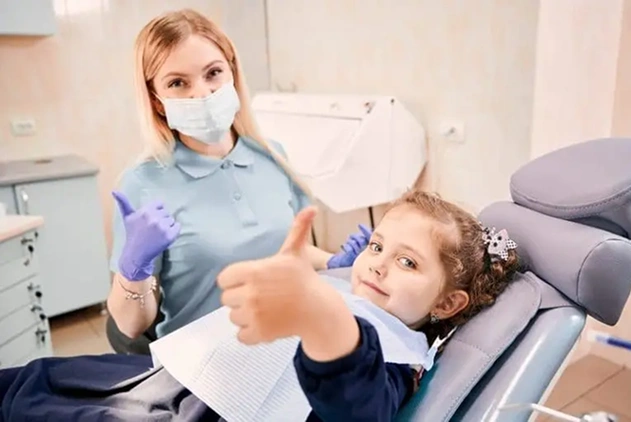



How to Keep Your Pearly Whites Healthy With Invisalign And Braces

“Invisalign and braces are so much fun to maintain,” said no one ever. Keeping your teeth healthy while maneuvering your braces or taking care of your clear aligners may be tedious, especially for teenagers. But it’s the only way to get that million-dollar smile that you desire. Tell yourself that your braces or clear aligners are only temporary. To have pearly, white teeth to showcase when finished with your orthodontics treatment, you’ve got to do some simple work.

Six Tips For Brushing With Braces

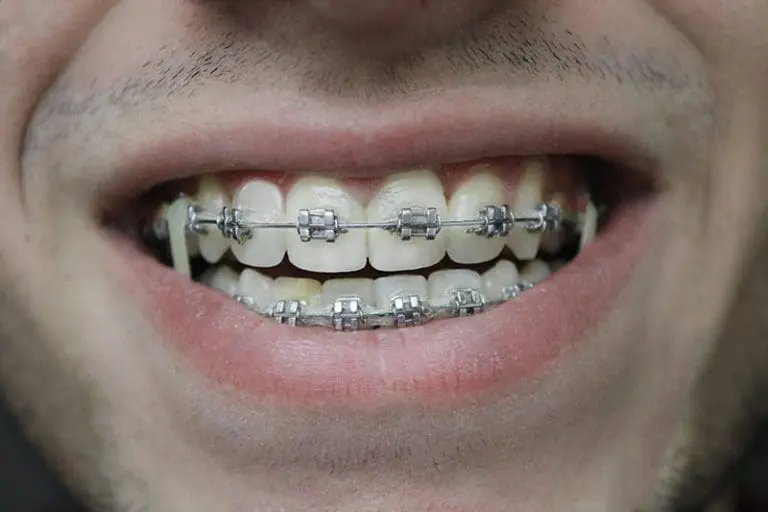
First, let’s talk about brushing with braces. Remember to brush your teeth with braces. You must be even more diligent about brushing and rinsing your mouth when you have braces. They cause an increased risk for plaque buildup, and the food particles the brackets and wires attract. They create a shelf around the teeth, making them much more challenging to clean. Plaque is the enemy of the teeth. It can stain teeth and wear away tooth enamel. Here are six tips for brushing with braces:

1. Use A Toothbrush With Soft Bristles

If you’re a fan of using a super stiff toothbrush, you may have to change that habit while you have braces. The toothbrush bristles must touch the gums to get in all the nooks and crannies around your braces. A softer toothbrush will accomplish this easier without irritating your gums too much.

2. Rinse And Brush After Every Meal

Never underestimate the power of a quick rinse and brush after meals when you have braces. The people around you will appreciate the time you took to freshen your breath, and you will reap the rewards of a healthy mouth. Rinse your mouth with water after meals, especially when eating highly acidic foods. Investing in a travel toothbrush and toothpaste can be worth it, as no one likes to have unsightly food stuck in their teeth.

3. Avoid Toothpaste Overkill

The excess foam from a giant glob of toothpaste may make spotting the plaque and debris difficult. Begin brushing with a wet toothbrush and clean around the brackets and between the wires. Try to use a picking motion instead of brushing hard. Then, add a pea-sized drop of toothpaste, finish with a good brush, and rinse.

4. Set A Two-Minute Timer

Brush your teeth for at least two minutes and target each part of your mouth: upper right, upper left, lower right, lower left. Clean the inner and outer sides of your teeth. Set a timer to make sure you hit that two minutes every time.

5. Use A Waterpik Or Floss Threader

It can be so tedious to floss with braces. They’re always in the way! Enter floss threader. Tying floss to a threader can make guiding it through the wire easier. Use a saw-like motion and say, “Goodbye plaque!” You could also try a Waterpik water flosser. They clean with a stream of water and are quick and easy.

6. Use Mouthwash

When you have braces, you’ll want to buy that anti-cavity, fluoride mouthwash in bulk. It will reduce tooth decay and protect your enamel. Rinse your mouth for one minute after brushing at night to help eliminate pesky tiny debris before bedtime.

Three Must-Dos For Caring For Your Teeth With Invisalign

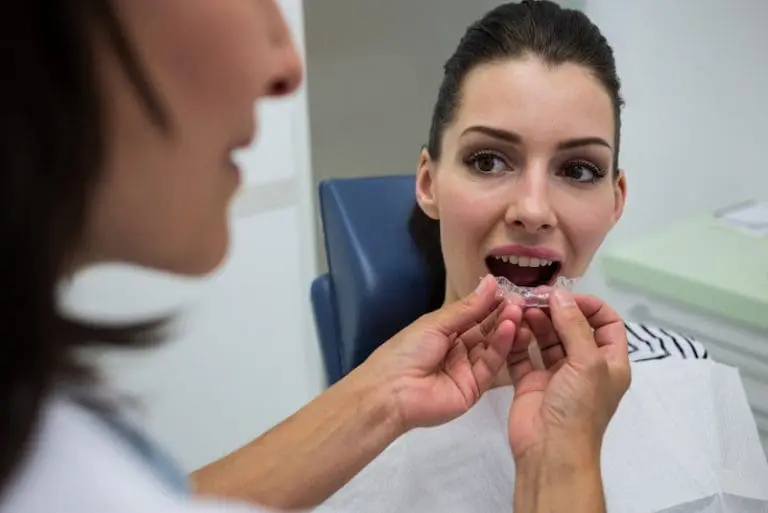
Invisalign clear aligners are a popular alternative to braces because the custom trays are removable and invisible compared to traditional metal brackets, wires, and elastics. One of its biggest appeals is its “invisible” appearance. However, Invisalign takes some self-discipline and requires proper care and maintenance. Here are three “musts” when wearing clear aligners:

1. Never Eat While Wearing Invisalign

The cool thing about Invisalign is that you can take them off to eat and brush. However, did you know that you must take them off to eat? The only thing you can consume with your Invisalign is water. Do not drink any other drinks or eat any food while they are on. Colored drinks will stain them, and food can damage the trays. Coffe-stained aligners ruin the point of them being invisible, but replacing your aligners can be expensive.

2. Brush Before Putting Them On

You’ve taken your Invisalign off to eat? Check. Now, you need to be disciplined enough to brush after every meal and put them back on immediately. It can be easy to become lax and forget to put them back on or brush before you do.

Shoving them back on after eating your lunch might also be tempting, but you must brush first. Otherwise, you’re squishing the remaining food bits into your teeth and aligners, damaging both over time. Whether in your purse, backpack, or pocket, you should have a toothbrush and some flossers with you at all times in case you eat something.

3. Rinse Before Reapplying

After you take your Invisalign off to eat or brush your teeth, please give them a good rinse and place them in their case. This helps keep them clean and safe from accidentally tossing after your meal–their invisibility can be their downfall. Give them another quick rinse right before you put them back on. It’s essential to keep the aligners clean.

Maintaining a bright and healthy smile with braces or aligners on may seem tedious, but if you get in the habit from the get-go, taking all the proper care steps will seem like second nature. Plus, seeing that show-stopping smile in the mirror for the first time post-treatment will make it all worth it.

Infographic

Maintaining invisalign or braces is crucial for a dazzling post-treatment smile. Remember, they’re temporary, so commit to proper upkeep. Follow our crucial tips for brushing with braces: use a soft-bristled toothbrush, rinse and brush after meals, avoid excessive toothpaste, set a two-minute timer, use a Waterpik or floss threader, and use mouthwash. Develop these habits for a healthy smile.
White Coat Anxiety? How To Find A Utah Orthodontist You Can Trust

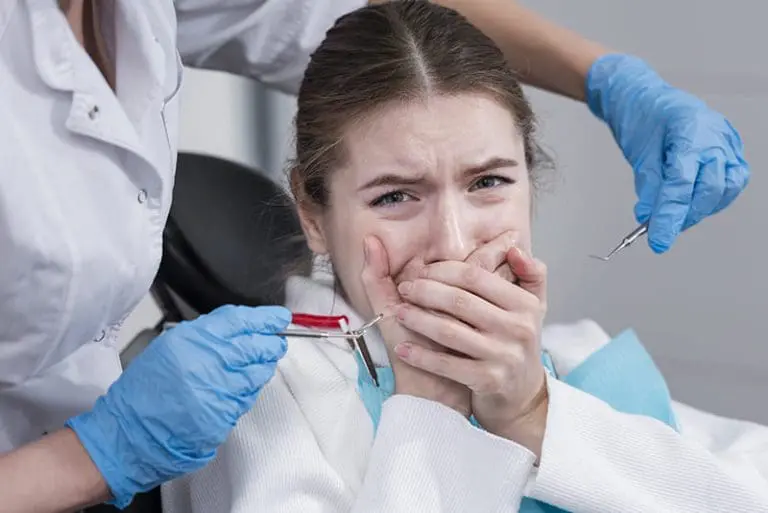
Orthodontics will never go out of style. People care too much about their smiles. However, choosing an inexperienced orthodontist might leave you looking like Mr. Wilson from Dennis the Menace, and the idea of bad orthodontic work brings you some major anxiety. Dental anxiety is natural for many people. For some, the fear started because of a bad experience with a dentist or orthodontist. Going to the orthodontist doesn’t have to be scary. A good orthodontist goes out of their way to make you feel safe, calm, and comfortable while in the office. It can be hard to choose from so many options. Here are some tips for choosing one that will do good work and take good care of you in the process, which will, in turn, help with your anxiety:

We love educating and helping people achieve their dream million-dollar smile. There’s something so satisfying about seeing someone’s confidence, body language, and demeanor change upon their first glance at their new smile. There is nothing like being a part of someone’s smile journey.

Check Qualifications And Experience

First things first, are they qualified and experienced? Orthodontics is a specialty that requires a lot of schooling and hands-on training. An orthodontist should hold a bachelor’s degree, graduate from a four-year dental school, and receive specialized orthodontic training post-dental school. They should also be members of professional organizations such as the American Association of Orthodontists and the Utah Association of Orthodontics. This shows that they invest in themselves and stay up-to-date with the latest and greatest in orthodontics. Choosing an orthodontist with extensive experience is also a smart move. Practice makes perfect, right? Well, if they’ve had many years of experience, your teeth will look perfect.

Read Reviews

Reading websites and Google reviews is one sure way to weed out orthodontists and narrow your list to exceptional ones. A reputable orthodontist should have a professional website and Google listing. Read about others’ experiences and only choose an orthodontist with a 4.5-star out of five rating or higher. Don’t be too put off by one or two bad reviews. Some people complain no matter what. If you see a pattern in negative comments, run for the hills. There is no good reason why an orthodontist wouldn’t garner positive reviews.

Ask Around

Chances are, some of your friends or family in your area have been to an orthodontist. Ask about their experience and get recommendations. Ask how they handled specific situations that bring you anxiety. This will give you a good feel for how they treat patients who may need a little more help because of their fear. Are they understanding and patient? Or do they refer patients who have dental anxiety elsewhere? If it’s the latter, they are probably not the right fit for you.

Consider Location

Is their location convenient? Do they have multiple convenient locations? If you move around Utah often for work, it may be helpful if they have sites spread out so you can stick with the same practice even when you move or travel for work. This makes it much easier for insurance and dental records.

Check Out The Staff

A receptionist can set the tone for your whole orthodontic experience. Are the front office staff friendly, warm, and welcoming? Do they greet you and give you their undivided attention when you walk into the office? If the front desk staff are unfriendly, that is a red flag. Why are they in a customer service position if they are not friendly? This may show that the practice owner doesn’t prioritize the exceptional customer service of their staff.

Scope Out The Office

If you have dental anxiety, the overall environment can be crucial for you. Take a step into the office and analyze how you feel. Is it a welcoming and calm environment? Are there comfort measures to help you relax? Soothing music may calm your nerves while you wait, or cookies at the front desk will make you smile and distract you from your nervousness. Do the assistants offer sunglasses, headphones, or blankets for comfort during your treatment? Determine what is essential for you and make sure they have it.

Look Into Their Treatment Options

Why bother if they don’t have what you’re looking for? Some orthodontists offer braces only. Some offer Invisalign only. Knowing what you want will help you narrow your search and land the proper orthodontist practice.

How To Ease Your Dental Anxiety

Finding a wonderful orthodontist in Utah may have subsided some of your dental anxiety, but now it’s time to make an appointment and be brave. Here are three steps to help you get through your treatment:

1. Identify The Root Of Your Anxiety

Most of the time, our fears are irrational. Once we really stop and think about them rationally, they become less intimidating. Discuss your concerns with your orthodontist, who will be able to answer all your questions and help put you at ease.

2. Have Your Orthodontist Explain What They’ll Do From Start To Finish

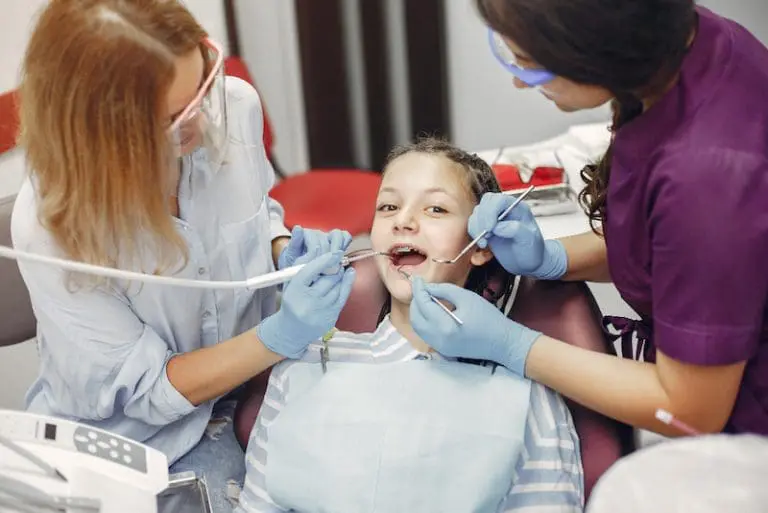
Sometimes, it’s the unknown that freaks us out the most. It can help to have your dentist or orthodontist keep you in the know the whole time and walk you through every step. It allows you to feel a bit in control and aware.

3. Schedule Appointments Early In The Morning

Scheduling your appointments early in the morning is a great way to get it over and avoid sitting around with high blood pressure all day. About 36% of people fear going to the dentist, with 12% having an extreme fear of it. So, if you have any anxiety associated with going to the dentist or orthodontist, you are not alone. Plus, we don’t blame you for wanting to avoid teeth that look like Chiclets gum. Our mind is powerful. Changing how you view dentists and orthodontists can play an exponential role in your experience. View them as tooth fairies, not boogeymen. Your orthodontist is there to help you, not the contrary. Finding an excellent orthodontist in Utah will build a solid foundation for a relaxed and enjoyable dental journey.

Brace Yourself: 7 Fun Facts About Orthodontics

What do you know about orthodontics? You know it has something to do with your teeth. You know you often hear people with braces say they must attend their orthodontist appointment. But you’re unsure what orthodontics entails.

An orthodontist is a dental specialist qualified to treat irregularities in the teeth and jaws. Their specialty is diagnosing, preventing, and treating abnormalities in the jaw and teeth, and they work with people of all ages. Going to the orthodontist is not on anyone’s list of top five favorite places. Still, most orthodontists are very different from Willy Wonka’s dad in the 2005 “Charlie and the Chocolate Factory.” Orthodontist offices are not scary at all. Our main goal is the same as yours: to give you a beautiful smile and a healthy mouth and jaw.

The history of orthodontics is quite interesting, and we love some excellent orthodontic trivia, so here are seven fun facts about orthodontics:

1. 4 Million Americans Currently Have Braces

The state of the economy doesn’t matter; people will always pay for a beautiful and enhanced smile. Approximately 4 million Americans, including children, teens, and adults, have braces. Straight teeth will never go out of style.

Braces are not just for kids. If you want straighter teeth but think you’re too old, think again! About one in five patients seeking orthodontic treatment is an adult; many are over 50 years old. Braces and aligners are for everyone, and there are so many different options to choose from. Many adults opt for Invisalign after braces if they had braces many years ago, but some of their teeth have shifted.

2. The Word “Orthodontics” Is Of Greek Origin

At the risk of sounding like the dad from “My Big Fat Greek Wedding,” did you know the word is originally from the Greek language? “Ortho” means straight or correct, and “dont” (not don’t) means tooth. Together, the word “orthodontics” translates to straight teeth.

3. Orthodontics Was The First Dental Specialty In 1900

Being the first orthodontist in the world, Edward H. Angle founded orthodontics as a dental specialty in 1900. Angle even established what is known today as the American Association of Orthodontics.

4. People Have Always Wanted Straight Teeth

The struggle of crooked teeth is a tale as old as time. Straight teeth are not a modern fad. People have been dealing with crooked teeth for ages. Archeological findings show Egyptian mummies with metal bands wrapped around their teeth. Aren’t you grateful for our modern orthodontic technology and equipment?

5. All Orthodontists Are Dentists, But Not All Dentists Are Orthodontists

All orthodontists became dentists by completing four years of dental school but then went on for another two to three years of school (with about 3,700 hours of training) at an accredited orthodontic residency program. Orthodontics is a dental specialty. Many dentists do aligners or night guards, but they will refer you to an orthodontist if there are severe jaw alignment or bite issues for braces or other interventions.

6. Teeth Move In Response To Pressure

Were you an avid thumb sucker well into childhood, and your two front teeth paid the price? That is a real thing. Some types of pressure are beneficial, and some harm your teeth and bite.

Prolonged pacifier dependence, thumb-sucking, and irregular swallowing are types of stress that could cause damage. These actions push your teeth out of place and distort the bone. Braces and aligners apply constant and gentle pressure that slowly guides your teeth into their ideal positions. That is considered good pressure.

7. Seven Is The Magic Age To Begin Orthodontic Treatment

People often ask when a child should first go to the orthodontist. According to the American Association of Orthodontics, a child should see an orthodontist by age seven or as soon as they see any irregularities, even if they don’t have all their adult teeth yet.

Treatment is much easier and less intense when your orthodontist can catch and treat it early on before it starts creating many other problems.

Famous Faces With Braces

Sometimes, we look at celebrities and assume they come from a different realm than us: A domain of genetically gifted people who were born with beautiful teeth. But that is just not the case. All celebrities with perfectly straight teeth had braces or Invisalign; many have veneers. Some of your favorite stars such as Justin Beiber, Gisele Bündchen, Zendaya, Tom Cruise, Billie Eilish, Zac Efron, Khloe Kardashian, Anna Kendrick, Demi Lovato, Katy Perry, and Oprah had Invisalign.

Some famous faces, such as Angelina Jolie, Serena Williams, Emma Watson, Kendall Jenner, Selena Gomez, Gwen Stefani, Ariel Winter, Faith Hill, Drew Barrymore, and Jaden and Willow Smith, had braces.

Famous Faces Who Have Veneers

Sometimes, braces and aligners alone don’t give someone the look they want. Many celebrities opt for veneers. Here’s a list of some famous faces who have veneers:

  • Tom Cruise
  • Zac Efron
  • Nicolas Cage
  • George Clooney
  • Jim Carrey
  • Morgan Freeman
  • Demi Moore
  • Celine Dion
  • Niall Horan
  • Miley Cyrus
  • Cardi B
  • Cheryl Cole
  • Victoria Beckham
  • Keith Urban
  • Chris Rock
  • Joe Biden
  • Cristiano Ronaldo
  • Kate Beckinsale
  • Nicole Kidman

All this is to say that hardly anyone is born with perfect teeth, and even celebrities go to great lengths to improve them.

We love teeth, and the fantastic transformation that braces, aligners, and other orthodontic work can do for people wanting to boost their confidence. Although your motivation for going to your Utah orthodontist may be purely cosmetic, orthodontic treatment is also about fixing jaw and alignment issues affecting your biting, chewing, or speaking. Investing in your smile is not in vain; it may improve your overall quality of life.

Celebrate Children’s Dental Health Month With Braces Care Tips

Did you know February is Children’s Dental Health Month? And 2024 marks the 75th Children’s Dental Health Month. This annual event is a way to advocate for pediatric dental and orthodontic care, educating people about the importance of simple dental hygiene.

We love educating and helping people achieve their dream million-dollar smile. There’s something so satisfying about seeing someone’s confidence, body language, and demeanor change upon their first glance at their new smile. There is nothing like being a part of someone’s smile journey.

Dental Hygiene With Braces

Today, we’re going to focus on all things braces. Once you or your child gets their braces on, brushing and flossing the teeth and maintaining your dental hygiene can feel overwhelming. You have to work a little harder and change your routine when you have those little wires and brackets in the way. You may get tempted to become relaxed and not deal with brushing or flossing with your braces. However, brushing and flossing with braces is even more critical because of all those pesky food particles trapped between the wires and brackets.

Types Of Braces

Did you know there’s not just one type of braces? We live in such an incredible age where dentistry and orthodontics are advanced. We’ve come up with many different ways to achieve straight teeth, each with its own benefits to align with different lifestyles and budgets.

  • Traditional Braces
    The OG method for straight teeth. The one we all know and love but also hate as we reminisce on being called “brace face” in Jr. High School. It was a right of passage for many of us before Invisalign entered the chat and became as common ground as braces. They consist of brackets and archwires and gently apply pressure to the teeth to gradually move them into their desired position.
  •  Ceramic Braces
    Cousin to the OG braces, ceramic braces are a discreet and aesthetically pleasing alternative to metal braces. They have brackets and wires and work in the same way as traditional braces but are minimally visible for a more discrete option.
  • Damon Braces
    Damon braces are another innovative alternative to conventional braces. They don’t have elastic bands to hold wires in place like traditional braces. Instead, they have a self-ligating mechanism and lay flatter on the teeth.
  • Self-Ligating Braces
    Like Damon braces, self-ligating braces are an innovative alternative to conventional braces that don’t require elastic ties to hold the archway in place. They use a specialized mechanism to secure the wire in place.

Tips For Flossing With Braces

Flossing is hard to make a habit, even for many who don’t have braces. Flossing is quick and easy to do daily, and making it a part of your daily routine will pay dividends in the long run. You could even floss while watching Netflix. Do whatever you’ve got to do to make the habit stick.

Getting braces on is not a “get out of jail free card” for flossing. You should floss diligently with braces. And even though it may be more difficult to floss with braces in the way, some tools and methods could help.

  • Floss For Your Child
    If your child is the type who won’t do it on their own, consider flossing for them daily, especially if they are very young and have a hard time flossing with their braces. Have them sit down and floss around each tooth and each bracket.
  • Use Waxed Floss
    Waxed floss is excellent for braces because there’s less chance of it catching and tearing on the brackets and wires. Be cautious and take your time while you floss.
  • Consider Floss Threaders
    Floss threaders are great tools for braces. A floss threader is a rigid yet flexible piece of plastic that helps pass dental floss around orthodontic wires. They resemble large needles and help to make flossing with braces easier.
  • Splurge on a Water Flosser
    When traditional flossing sparks too much frustration with braces, water flossers are a great alternative. They use pressurized streams of water to blast debris and food particles from between your teeth. These are great for braces, but we don’t recommend replacing your flossing with water flossing long-term.

Tips For Brushing With Braces

Before globbing on the toothpaste and setting that handy-dandy two-minute timer, ensure your child removes any rubber bands or other removable orthodontic materials from their mouth that could get in the way of brushing.

Once they clear their mouth of all those little rubber bands or any other removable accessories, remind them to clean around each bracket at a 45-degree angle using a soft-bristled toothbrush. Brushing in firm but gentle circular motions, brush from the top of each wire down, and be thorough.

You could also invest in a single-tufted interdental toothbrush to reach all those tight spaces. Once your child gets a thorough brush, have them rinse with water to get any remaining particles. You could even make a song out of “rinse, rinse, spit” to help them remember this step of the routine if they ever have to brush without you there. Then, it’s time to re-insert their rubber bands and enjoy their clean mouth…until the next meal.

Make a conscious decision to floss daily, and it will become second nature. By putting our tips for braces care into action, you will help instill good habits in your child, which will lead to that million-dollar smile and newfound confidence. Remember that the braces phase won’t last forever and will be worth every sacrifice and penny.

Does Invisalign Fix Alignment Issues Such as Underbites?

It’s still Children’s Dental Health Month, and we’re offering more dental wisdom. Since we discussed braces in our last post, we decided to switch things up and focus on clear aligners. Clear aligners, such as Invisalign, are a popular alternative to braces, and many choose them because of their almost invisible appearance. They are as standard practice as braces in this day and age. However, clear aligners are not for everybody because they cannot fix every orthodontic issue. A common question is, do they work for alignment issues such as underbites? Let’s find out!

How They Work

Just like braces, clear aligners gradually reposition your teeth into their desired positions. Using custom, clear aligners, your orthodontist supervises your treatment every step of the way to ensure everything is going to plan, and as your teeth move, you’ll get new clear aligners until your teeth are perfectly aligned and ready to catch some eyes. Clear aligners work just as effectively as braces in many cases.

What They Fix

Clear aligners are great for minor to moderate alignment issues. They may not be the best option for severe alignment issues, but they can correct many conditions, such as:

  • Overbites
    An overbite is when your top front teeth extend beyond your bottom front teeth, often causing the top front teeth to protrude out. In a majority of cases, overbites are genetic. But other things may cause an overbite as well, such as abnormal growth of baby teeth or excessive thumb or pacifier sucking.Invisalign works effectively for mild to moderate overbites. For severe cases of overbite or if other complex dental issues are present, your orthodontist may suggest braces as a more appropriate treatment option.
  • Underbites
    An underbite is when the lower front teeth go in front of the upper teeth when the mouth is closed. Sometimes, they are genetic, and sometimes, a childhood behavior causes it, such as prolonged pacifier use or thumb-sucking. But have no fear because clear aligners can correct the underbite in mild to moderate cases.However, in severe underbite cases where the bottom teeth protrude a lot, your orthodontist may suggest a different treatment plan, including surgery in some instances.
  • Crossbites
    A crossbite is when some upper teeth sit inside or directly on top of your lower teeth when the mouth is closed. Your upper teeth should ideally rest just slightly before your lower teeth.Crossbites can be genetic, or they could be a result of unhealthy childhood habits such as thumb or pacifier sucking beyond age three or breathing through the mouth. Invisalign can treat many mild to moderate cases of crossbite and is a great option.
  • Gaps
    Invisalign can certainly fix gaps in the teeth. The treatment process and length will vary depending on the gap’s size, cause, and location.
  • Overcrowding
    Overcrowded teeth cause misaligned and crooked teeth. Crowded teeth are usually genetic, so thank your great-grandma for passing them down! Although, other habits could lead to overcrowded teeth as well, such as thumb or pacifier sucking beyond age three, injuries or trauma to the mouth, a cleft palate, early loss of baby teeth, gum disease, abnormally-shaped teeth, or poorly fitted dental crowns.Invisalign works great for mild to moderate cases of crowded teeth. Just ask your orthodontist if you’re a good candidate.

How Long Does It Take to Treat An Underbite with Invisalign?

Treatment time varies from case to case and patient to patient. Make sure you have a trusted and experienced orthodontist specialist to guide you through your smile journey and inform you throughout the process. While every case is different, it typically takes between 12 and 18 months to fix an underbite with clear aligners, give or take. Your orthodontist will be able to provide you with a much better estimate after assessing your specific case. Remember, Invisalign clear aligners are an excellent option for teeth straightening; however, if specific alignment issues are too complex, your best bet is braces. Many seekInvisalign after braces, meaning they once had braces but have since had some shifting in their teeth and would like to straighten them again with a more discrete option. Clear aligners are an excellent choice for those with a few shifted teeth that bug them but can’t stomach the thought of looking at themselves in the mirror with braces ever again. After your Invisalign treatment, you’ll get an Invisalign retainer that looks just like the clear aligners you wore during your treatment. And as you probably already learned from your first mistake, wearing your retainer after your treatment is complete is crucial. You’ve already had braces and Invisalign; you don’t want to return for round three! Invisalign clear aligners might be a perfect option if you’re seeking orthodontic care for yourself or a child with an overbite, underbite, crossbite, gap, or crowded mouth. Speak to your Utah orthodontist to start the process and discover if Invisalign can help you achieve that show-stopping pearly white smile you want.

The Low Down on Damon Braces

Having a beautiful smile is an incredible feeling. No matter what the economy is like, people continuously invest in their smiles and prioritize their oral health. A good smile is sure to boost your confidence and help you feel good about yourself. After all, a beaming smile is often the first thing we notice that attracts us to someone.

When it comes to teeth straightening, we’re lucky to have so many options today, but it can be confusing when deciding between all the different options. We love helping our patients choose what works best for their specific lifestyle and budget.

Our orthodontic care center offers a range of braces and clear aligner options, including Damon braces, which we will focus on in this blog. Damon braces are a type of self-ligating braces and are an excellent option for many people, including kids, teens, and adults.

What Makes Damon Braces Different Than Traditional Braces?

Braces use archwires and brackets to move teeth. Traditional braces have elastic bands to surround each bracket, while Damon braces use a self-ligating system to connect archwires to brackets.

Benefits of Damon Braces

  • More Comfortable
    Although comparable to traditional metal braces, Damon braces often offer more comfort than traditional braces. This is because the sliding mechanism allows for a more gradual shift in the teeth, resulting in less pressure and more manageable pain.
    Comfort level also varies based on the person, the state of their teeth, wires, and the complexity of movement. You might feel some discomfort no matter what braces you get and may have soreness for a few days after your orthodontist puts them on you. That is completely normal as your teeth get used to the system. While all braces have similar discomfort levels, some have reported that Damon braces offer less discomfort.
  • Easier to Clean
    Since Damon braces have fewer parts than other braces, they are easier to clean. This is a pro for many.
  • Fewer Visits to Your Utah Orthodontist
    You won’t have as many orthodontist visits with those pesky elastic ties and bands that traditional braces have. Those ties and bands on traditional braces often loosen over time, requiring frequent replacements.
    Damon braces can have their malfunctions, but overall, they require fewer appointments. One of the little doors that holds the bracket to the wire may open up, requiring an emergency orthodontic appointment. Ensure you follow all the guidelines your orthodontist gives you for caring for your Damon braces to avoid an emergency.
  • More Styles to Choose From
    The different Damon options include Damon metal braces or clear. The metal looks similar to traditional braces, while the clear bracket option is ceramic and offers a more discrete look. The ceramic Damon braces have a bracket made of tooth-colored ceramic to blend well with the color of your teeth. Damon clear braces are not very noticeable when paired with a white archwire. Having options can help your child feel in control and excited about their smile journey.

Do They Work for Everyone?

Damon braces can treat most dental issues, including underbites, overbites, crossbites, or crowded teeth. If your orthodontist offers them, they are an excellent option all around.

How Long Do You Need to Wear Them?

The length of treatment for Damon braces is comparable to that of traditional braces. It can take up to 36 months, depending on your case. They typically take as long as braces and longer than Invisalign aligners. Invisalign can range from 6-18 months.

Damon Braces Compared to Invisalign

Invisalign clear aligners are another popular teeth straightening treatment. Their price is comparable to Damon braces, ranging from around $3000 to $7000. Invisalign is a system that uses clear trays to straighten the teeth, and they appeal to many because of their almost invisible appearance and ability to remove them for brushing, flossing, and eating.

You must also rinse and brush Invisalign every time you take them off, which might be a hassle for young teens. The required wear time for the clear aligners is 22 hours a day, including during sleep. Invisalign takes some self-discipline, so if you’re worried about your child following the proper procedures, Damon braces might be a safer choice.

The Cost of Damon Braces

Damon braces are comparable to both traditional braces and Invisalign clear aligners. The treatment typically ranges between $3,000 and $8,000, but the exact cost depends on several factors, including the length of your treatment.

Many dental insurance plans cover Damon braces. Since coverage differs per provider, always contact your health provider to determine the specifics of your coverage and out-of-pocket costs. One of our financial coordinators would love to help you with this.

Not all orthodontic experts offer Damon braces, although they are gaining popularity within the industry. If Damon braces seem like an option that checks all the boxes for you, make sure your Utah orthodontist offers it, and ask if you’re a good candidate.

New in Town? 7 Steps to Find Your New Orthodontist in Utah

You’ve just moved to Utah and have lots to figure out. The best grocery store, a new gym, a suitable preschool for your little one, a pediatrician for your children, and an orthodontist for your teens so they can begin their journey to beautiful smiles. While we can certainly make suggestions for the other items, we can most definitely help provide you with an exceptional orthodontist in Utah’s Salt Lake, Lehi, or South Jordan areas.

Choosing an orthodontist to be responsible for your child’s smile and work with your precious kiddos for many months is not to be taken lightly. You want the best for your family. Someone who will be honest, caring, personable, and transparent. Someone you and your children will feel comfortable with. You don’t need to compromise when choosing an orthodontist in Utah. Here are seven tips to help you find the perfect orthodontist.

Steps to Find Your New Orthodontist in Utah

1. Make Sure They’re a Certified Orthodontist

If you need an orthodontist, make sure you’re going to one. Some people don’t know the difference. Orthodontists receive up to three years of additional training after finishing dental school. Their training specializes in jaw and tooth alignment and teeth straightening. They are experts at fixing crooked, overlapped, crowded, or misaligned teeth with braces or aligners.

Make sure who you’re paying is adequately trained and a certified orthodontist. In addition, consider their experience in the field. One who’s been in practice for a long time will have a wealth of knowledge, skills, and expertise in orthodontics.

2. Get a Recommendation From Your Dentist

You may have visited a dentist first, and they informed you that your treatment is complex and requires an orthodontic specialist. If your dentist refers you or your child out, ask them for their list of top orthodontists in the area. Your dentist will have valuable insights into the orthodontists with the best reputations in your area. They want to keep their reputation intact as well. If you already have a reputable and trusted dentist, they’ll be able to steer you in the right direction.

3. Pay Attention to the Overall Environment

A warm welcome with professional staff and a well-run office can tell you a lot about an establishment. You want the whole experience to be great for your child from start to finish. Vet an office out before making that first appointment. Most orthodontist offices would be willing to give you a tour of their office. An office tour is a great way to get a feel for the cleanliness and comfortability of the place and gain a first impression.

4. Search For Patient Reviews

Reviews can be a great way to narrow your search and steer clear of the shady or unprofessional orthodontists in the area. Positive reviews can help you discover the most well-liked ones. Check their website, Google, and Yelp for more detailed reviews from past patients about their experience with the orthodontist. This is a great starting point to find the perfect Utah orthodontist for your family.

5. Look Into Their Technology and Techniques

Your orthodontist should take the time to be familiar with the most up-to-date advancements in orthodontic technology and techniques. You don’t want to receive outdated care when many others in the area offer the latest, most advanced options. Don’t be afraid to ask if they continually update their technology and procedures to stay up-to-date with the latest in orthodontics.

6. Inquire About Insurance Coverage and Cost

Orthodontic treatment can be a significant investment, so inquire about the financial aspect before seeking treatment. Does the office offer flexible payment plans? Do they accept your dental insurance? What percentage of the treatment does your insurance cover? Are their prices comparable to other orthodontists in Utah? In addition, make sure you know the price comparisons between their different treatment options. Braces and clear aligners can lead to the same outcome at various price points. Which one aligns better with your budget?

7. Ask Your Child For Their Input

If you’re seeking orthodontic treatment for your child and have narrowed it down, ask them for their thoughts. Which one do they like the best? Which one would they feel most comfortable going to? Sometimes, our kids see things that we don’t.

Choosing the right orthodontist can be difficult, especially in a new area where you only know a few people. The perfect orthodontist for your family will guide you through your smile journeys, helping you feel at ease and producing outstanding results. A beautiful new smile is the ideal way to help your teenagers feel confident at their new schools. Don’t settle for anything less than the best when it comes to a smile you’ll have forever.